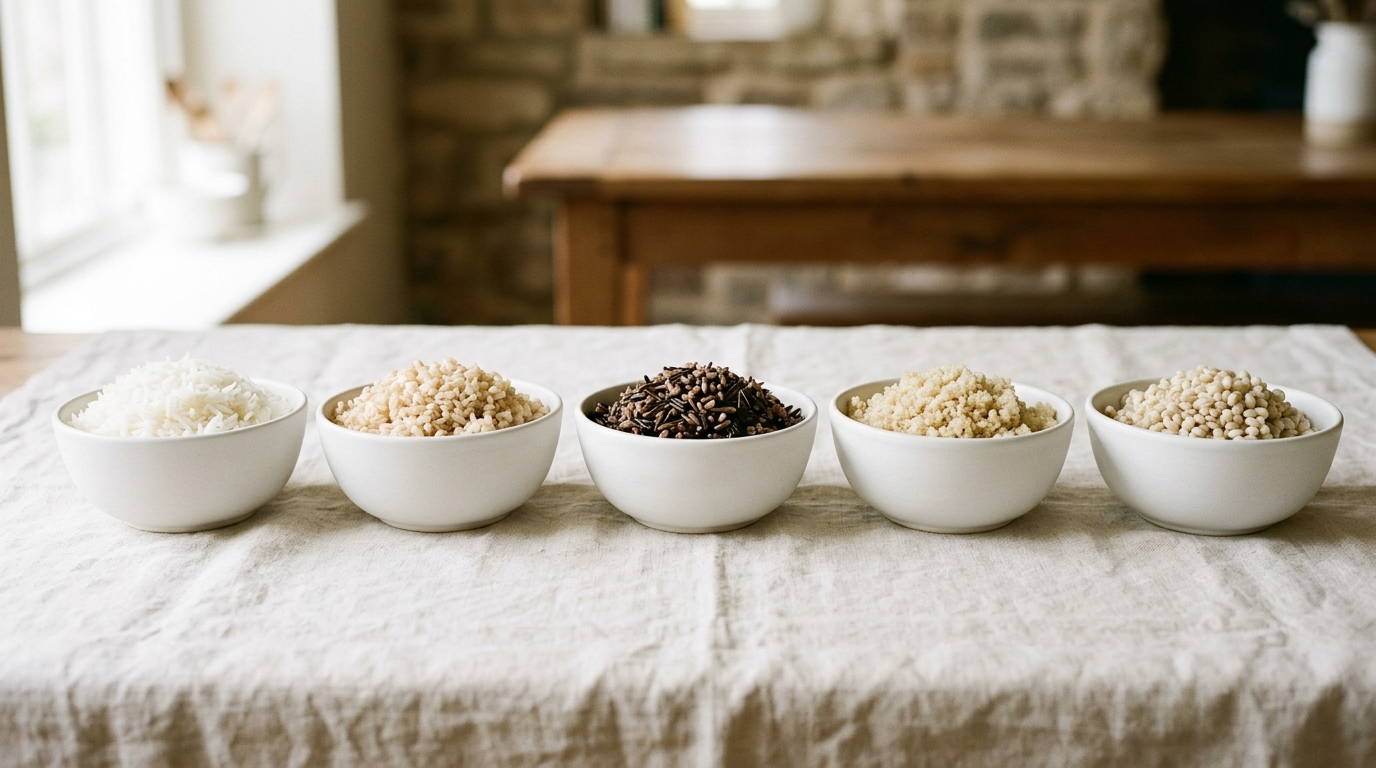
With rice, the variety matters more than anything else. The same scoop ranges from 38 for parboiled rice to 92 for sticky rice. Most everyday white rice, and even brown rice, lands in the medium-to-high range. The grains that come in low are barley, bulgur, buckwheat, and quinoa.
Below are GI and GL values for 16 rices and grains, the swaps that matter most, and a shopping list you can print.
- Rice and grains GI table
- What makes rice lower
- Best and worst picks
- Smart swaps
- Shopping list
- Tips
- FAQ
- Printable
Lowest-GI grain: pearl barley (28)
Lowest-GI rice: parboiled, or “converted,” rice (38)
Highest: sticky rice (92)
Easiest swap: jasmine rice (89) for basmati (58)
Glycemic index of rice and grains: 16 compared
| Rice or grain | GI | GL | Serving | Fits these plans | |
|---|---|---|---|---|---|
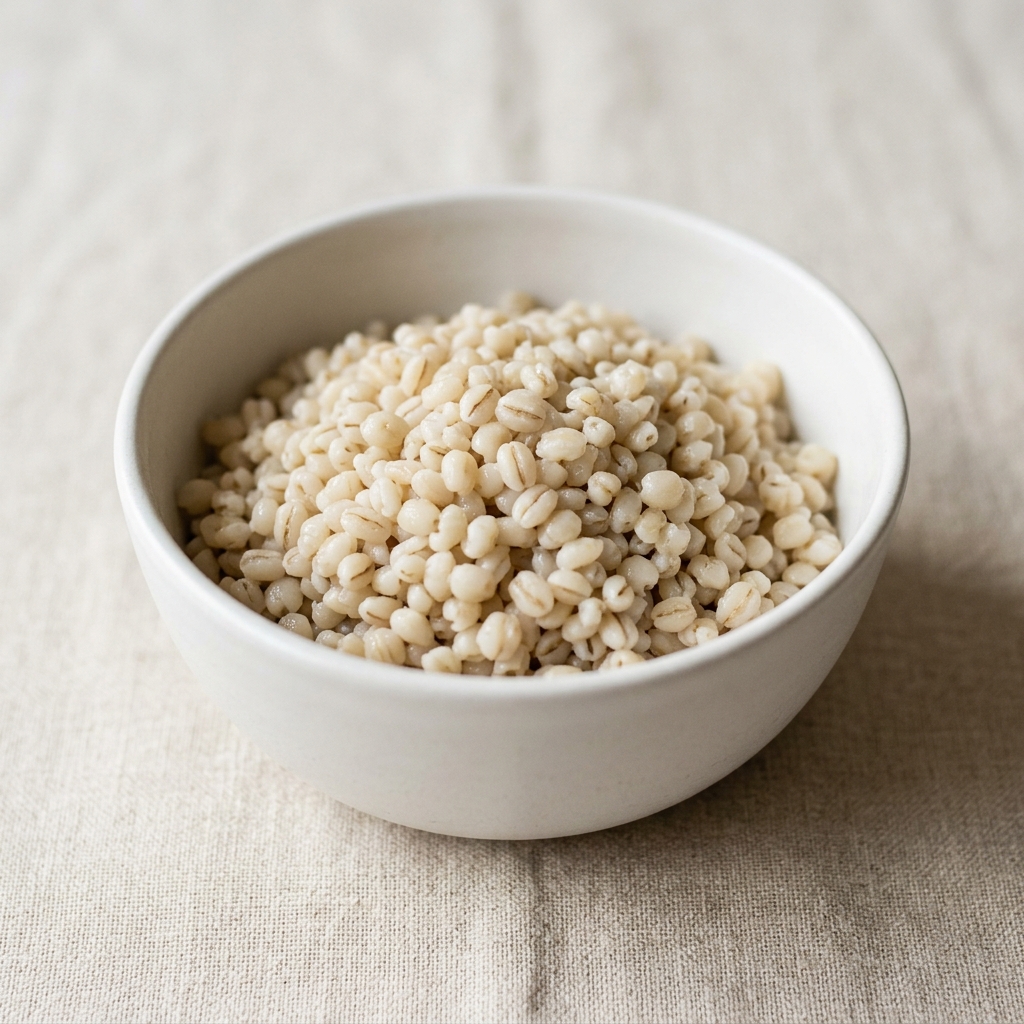 |
Pearl barley Lowest-GI grain |
28 | 9 | 150 g cooked | Low-GI, South Beach P2, Mediterranean, Diabetes-friendly |
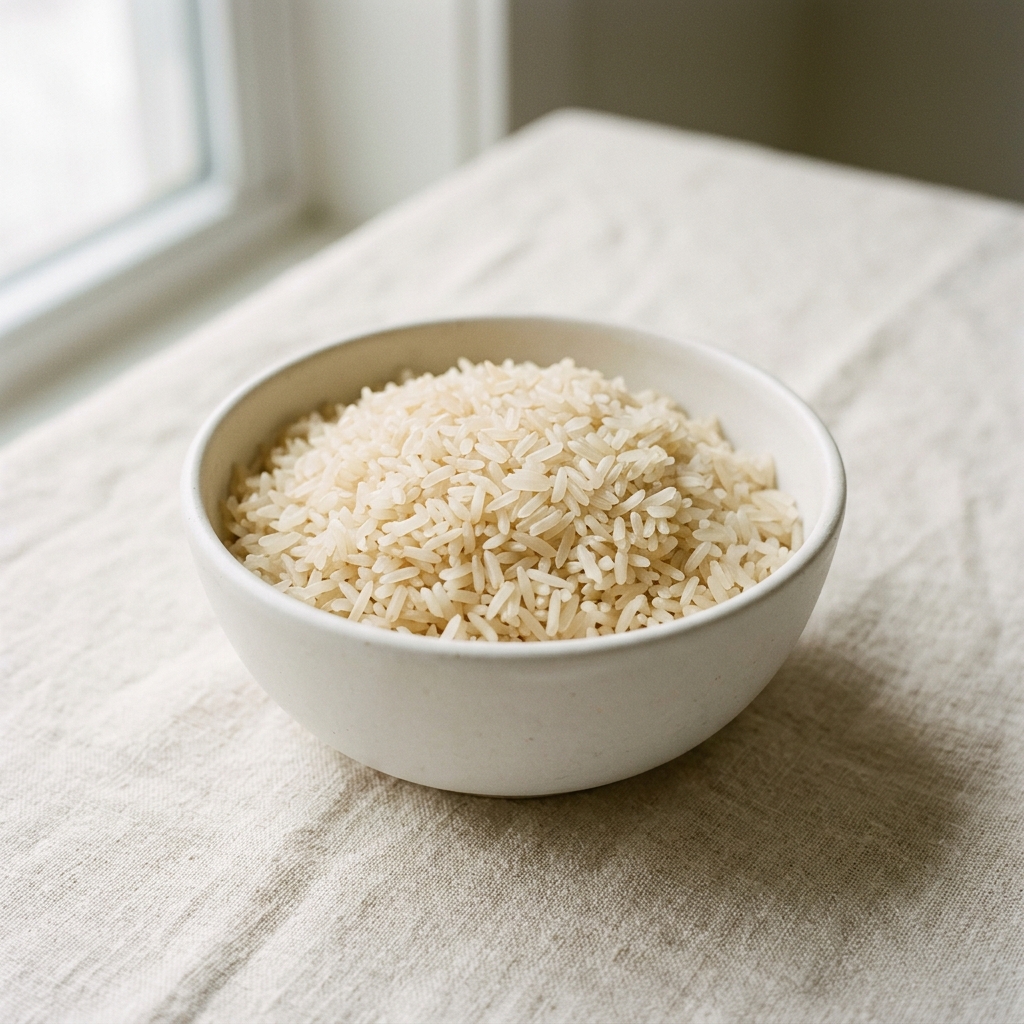 |
Parboiled (converted) rice Lowest-GI rice |
38 | 14 | 150 g cooked | Low-GI |
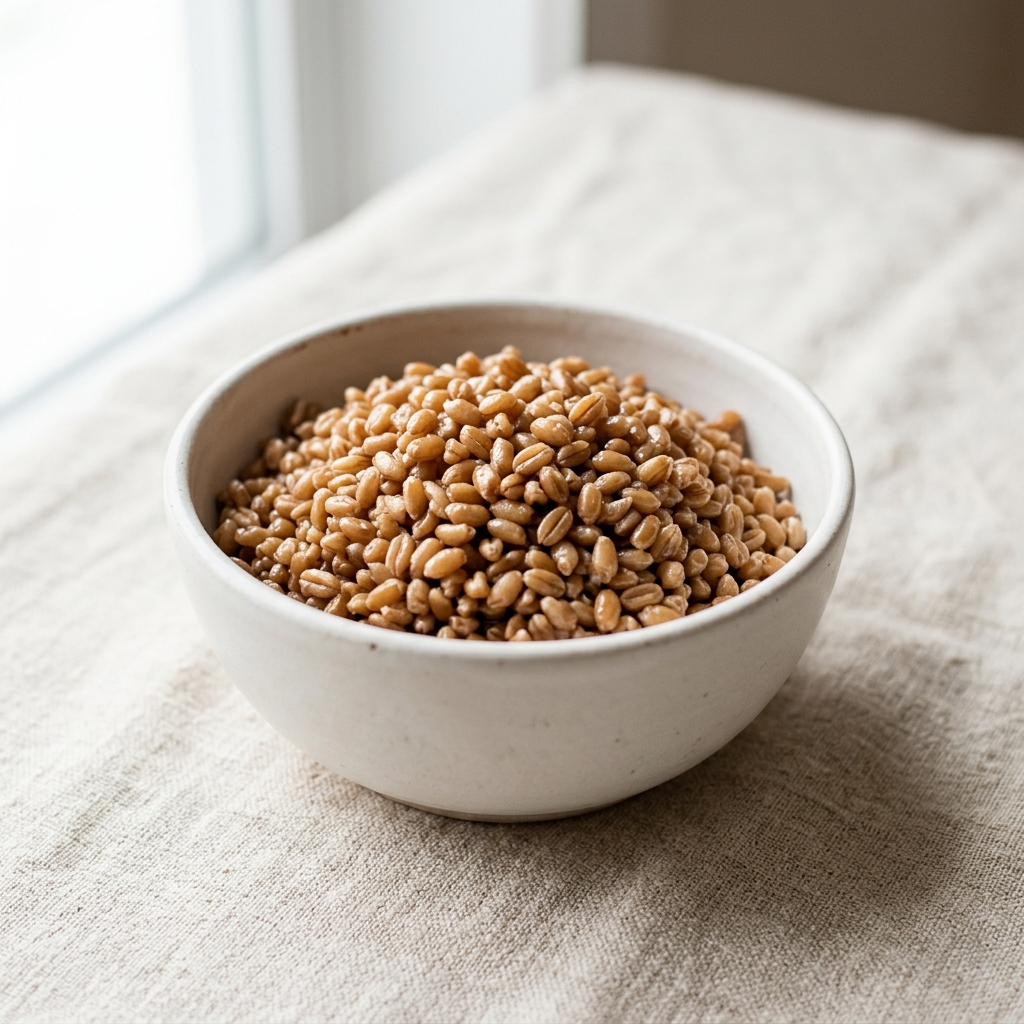 |
Wheat berries Serving is dry weight |
41 | 14 | 50 g dry | Low-GI, South Beach P2, Mediterranean |
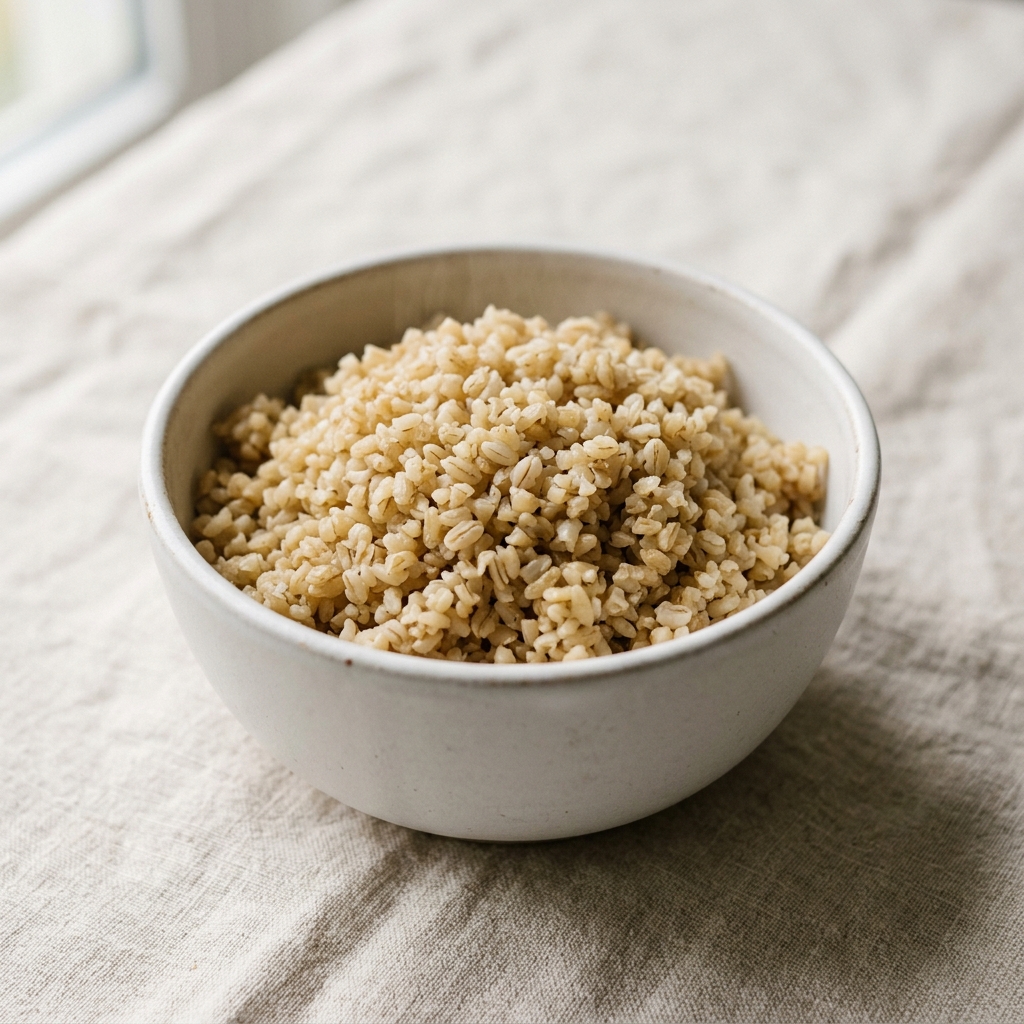 |
Bulgur | 48 | 12 | 150 g cooked | Low-GI, South Beach P2, Mediterranean |
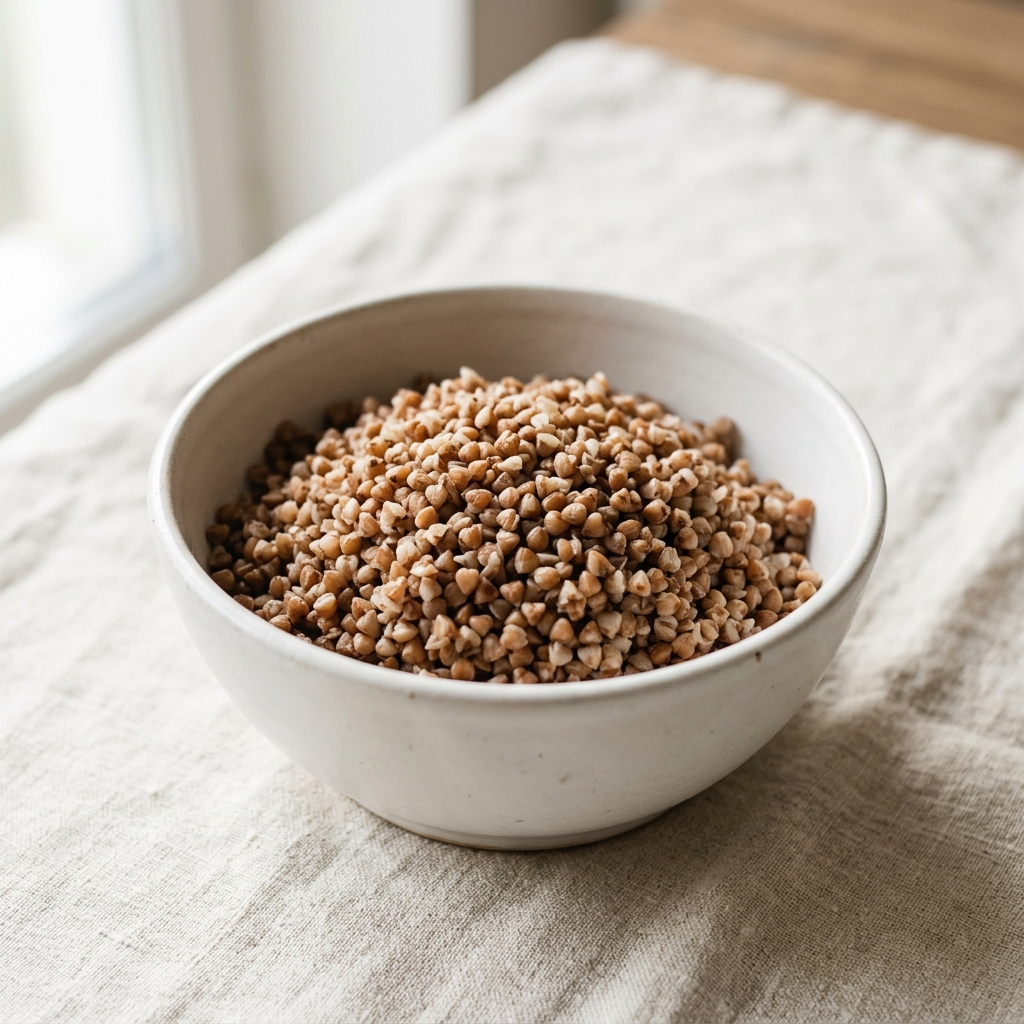 |
Buckwheat (kasha) | 49 | 15 | 150 g cooked | Low-GI, South Beach P2, Mediterranean |
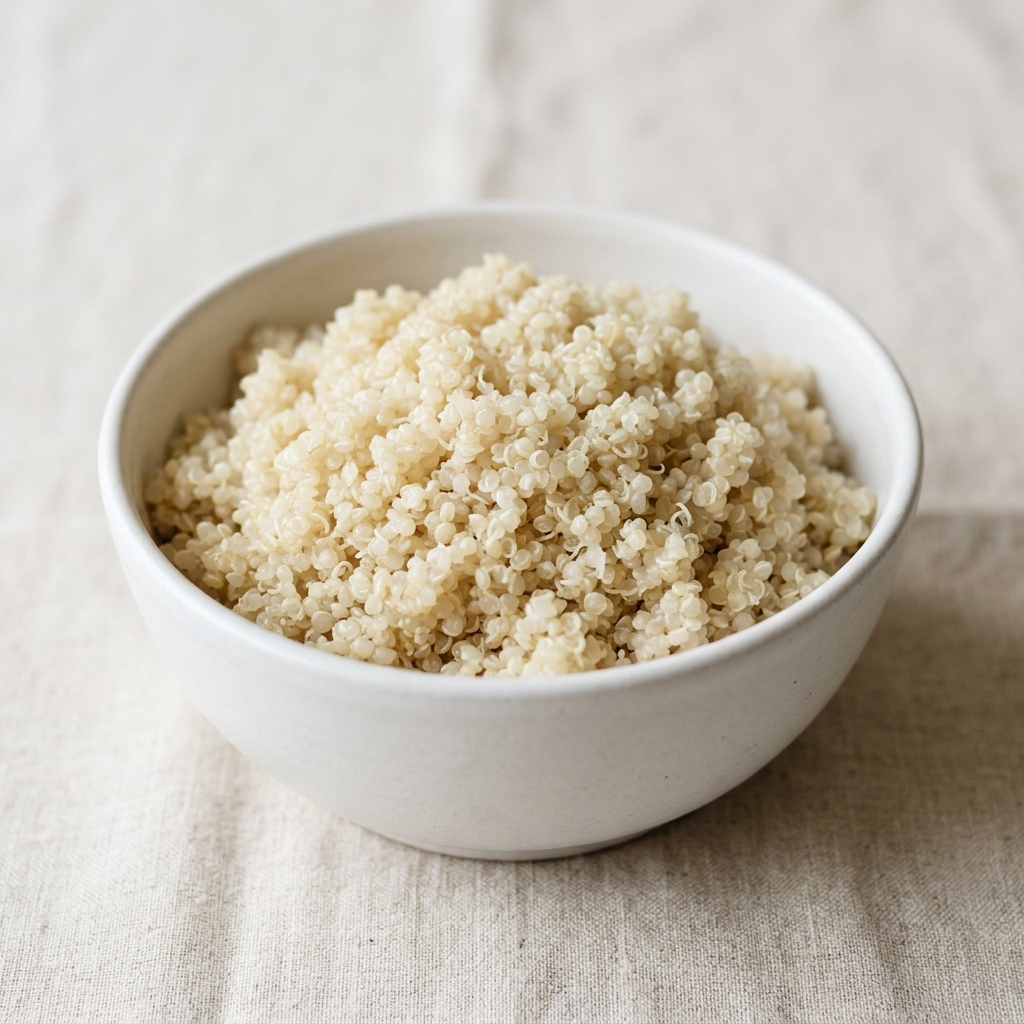 |
Quinoa | 53 | 13 | 150 g cooked | Low-GI, South Beach P2, Mediterranean |
 |
Wild rice | 57 | 18 | 150 g cooked | Mediterranean |
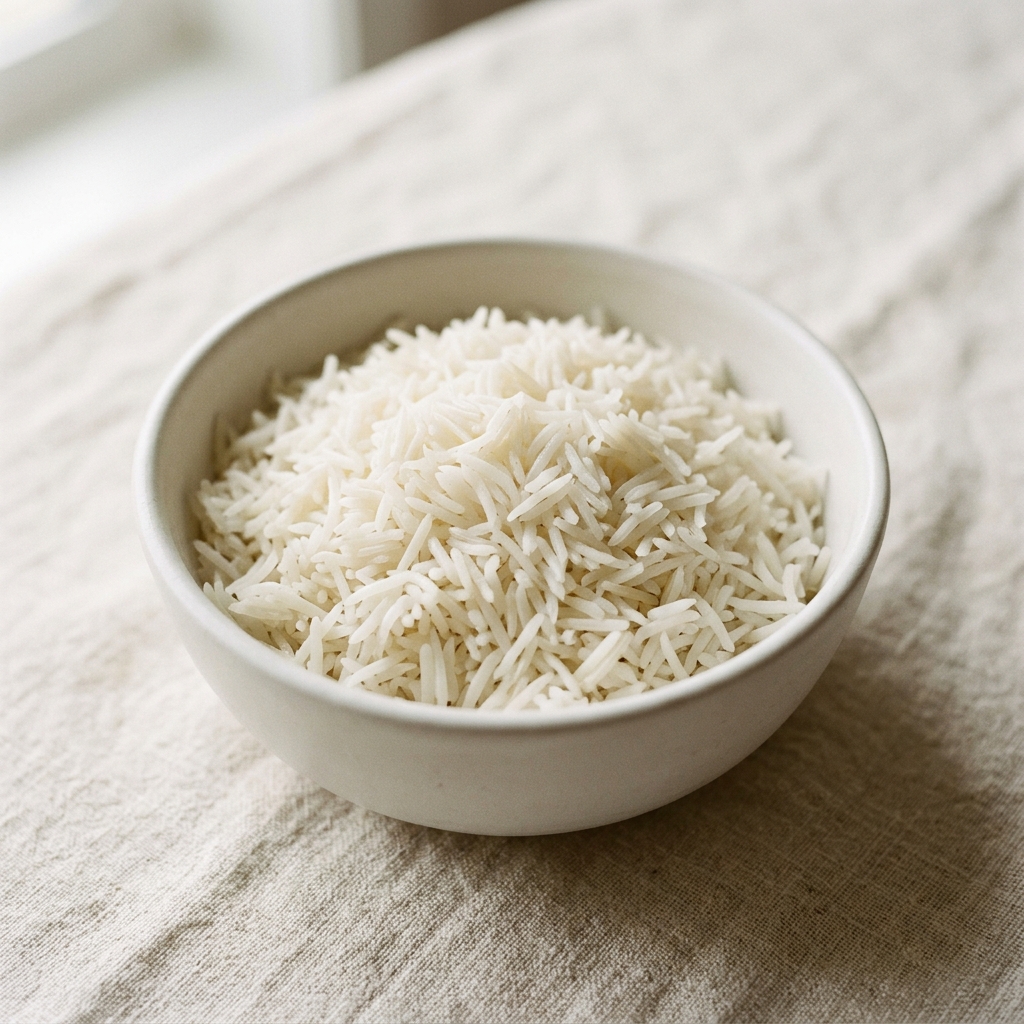 |
Basmati rice Best everyday white rice |
58 | 22 | 150 g cooked | — |
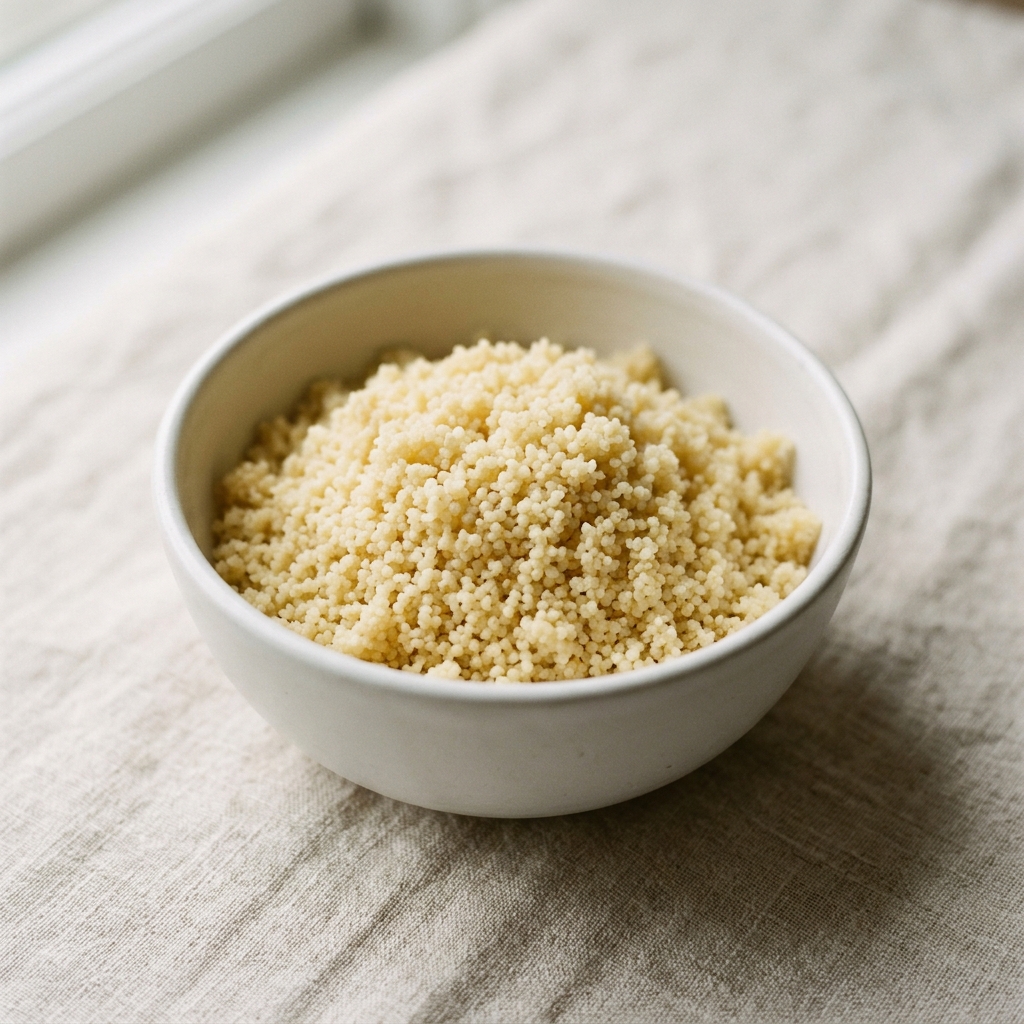 |
Couscous It’s pasta, not a grain |
65 | 23 | 150 g cooked | — |
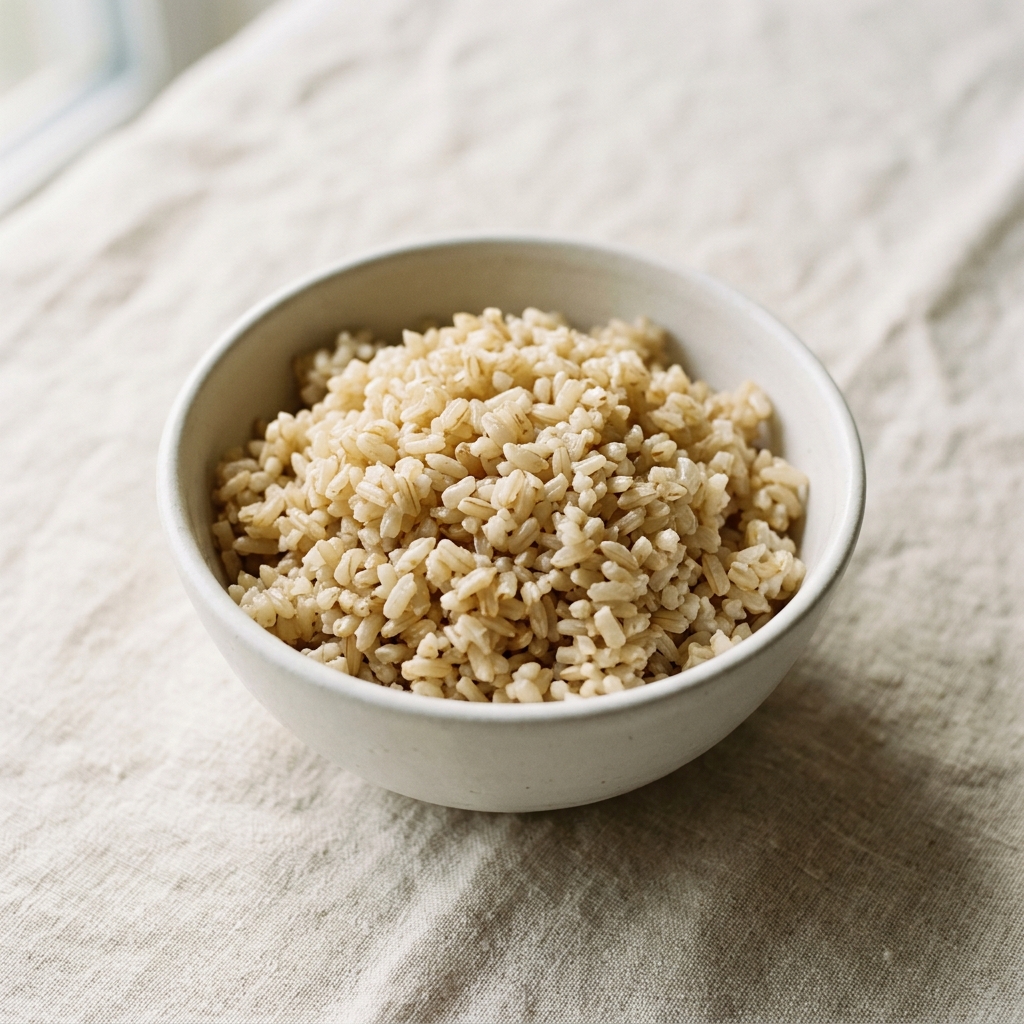 |
Brown rice Higher than most expect |
68 | 22 | 150 g cooked | Mediterranean |
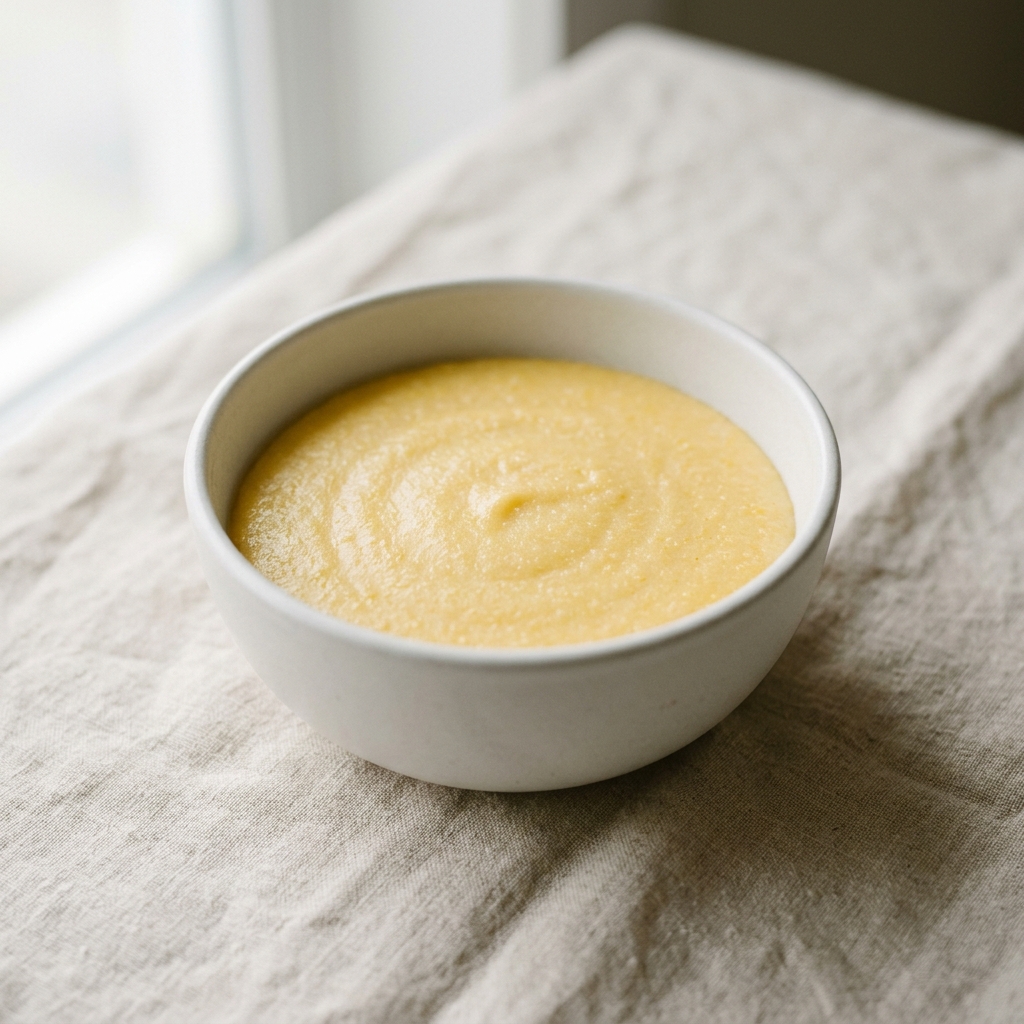 |
Polenta | 68 | 15 | 150 g cooked | — |
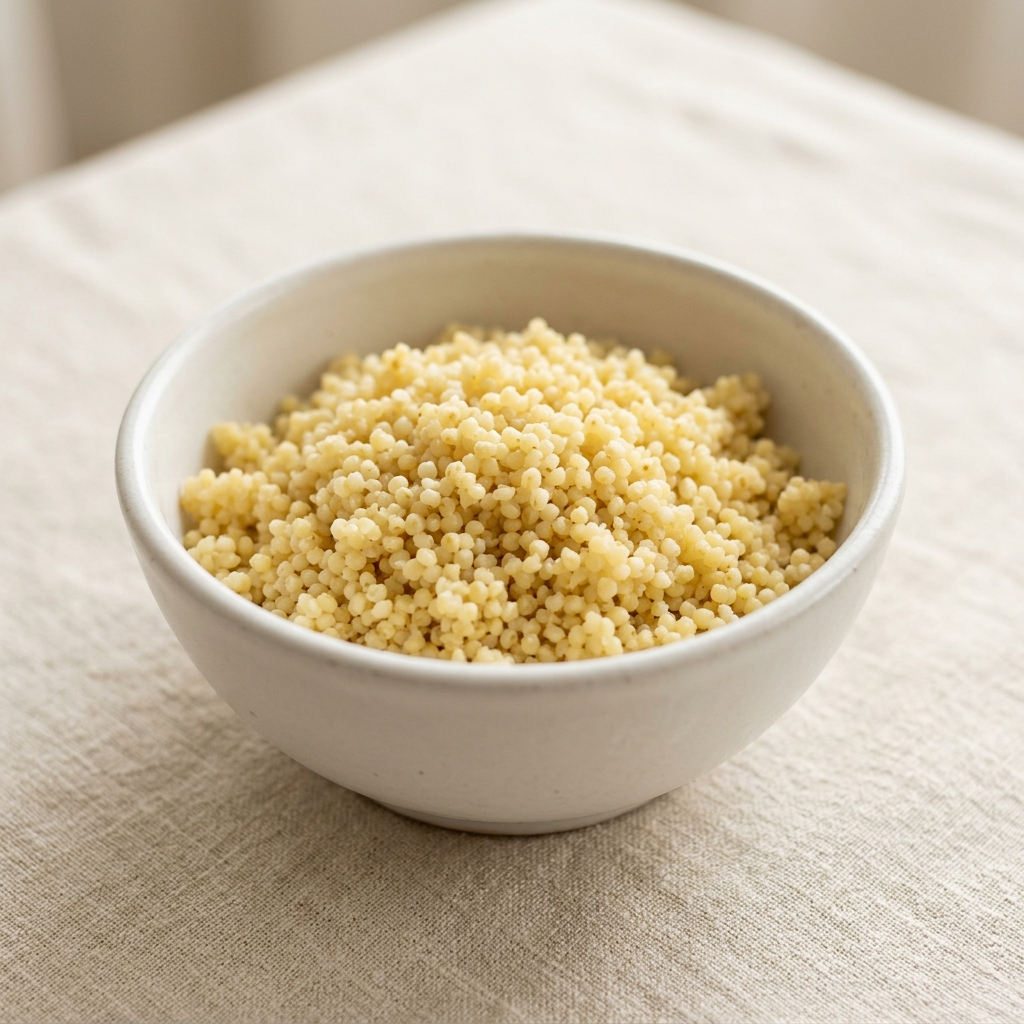 |
Millet | 71 | 26 | 150 g cooked | Mediterranean |
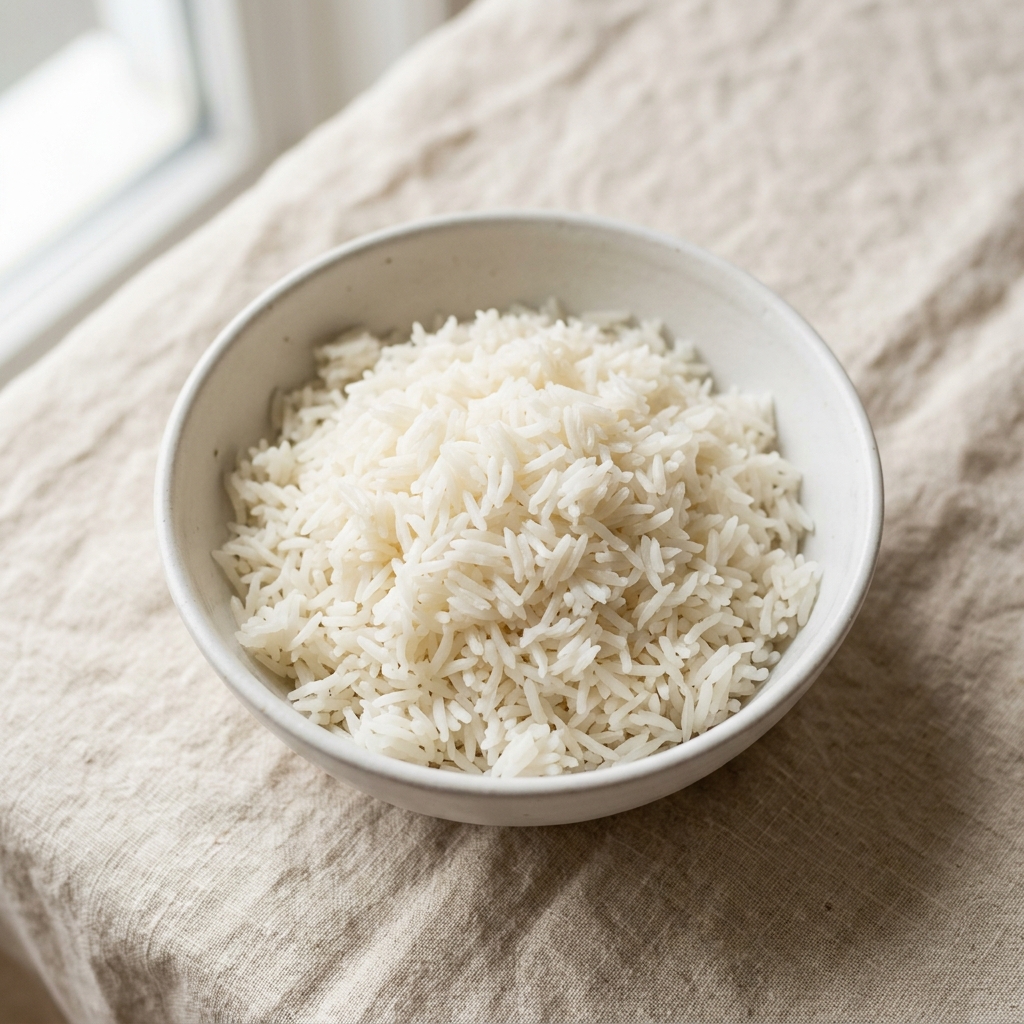 |
White rice, long-grain Variety matters a lot |
73 | 26 | 150 g cooked | — |
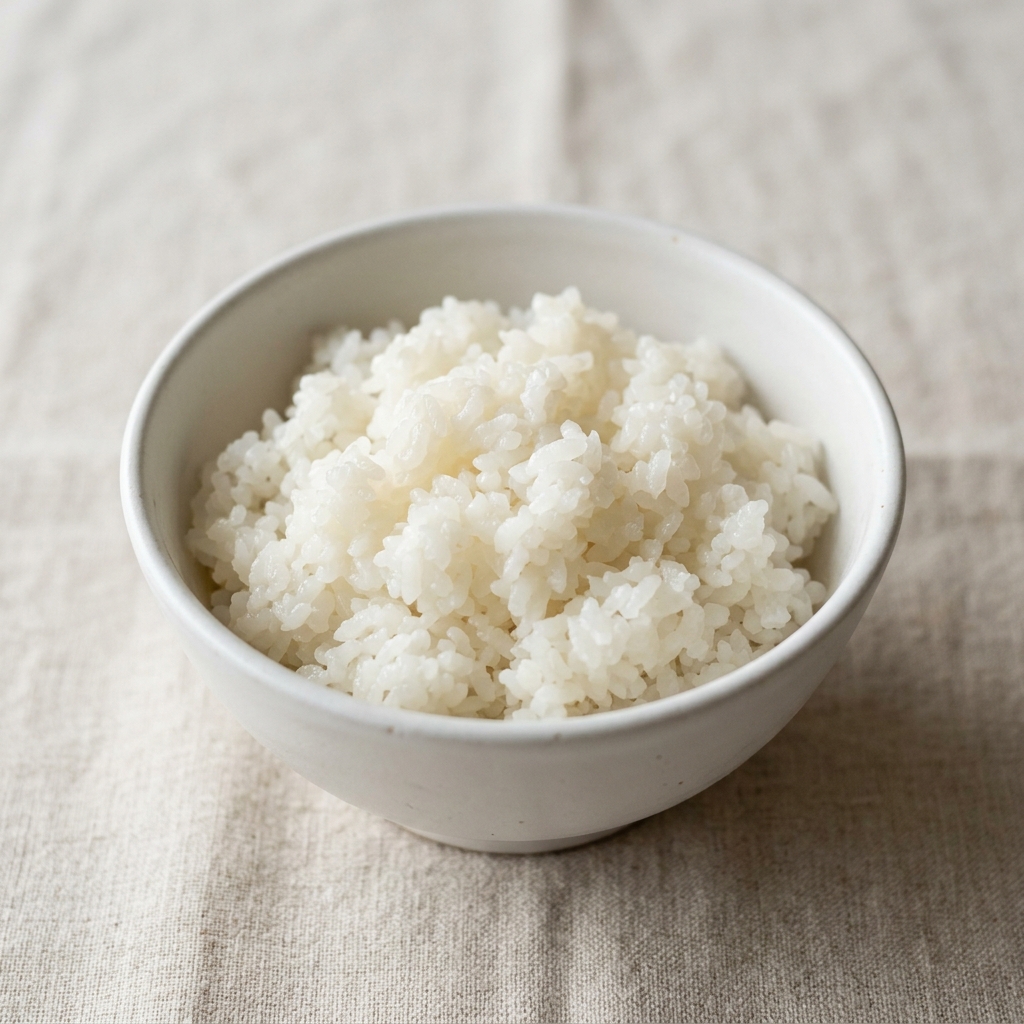 |
Instant white rice | 87 | 37 | 150 g cooked | — |
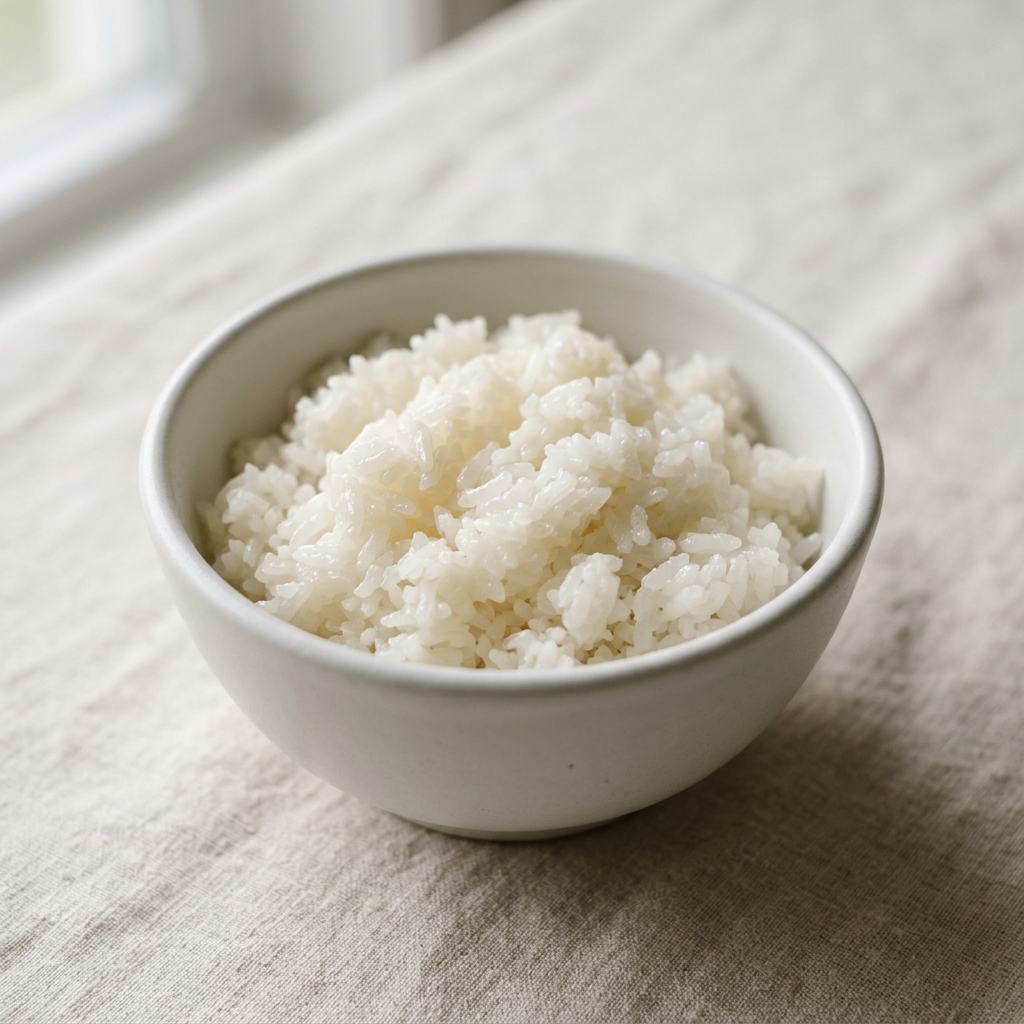 |
Jasmine rice | 89 | 37 | 150 g cooked | — |
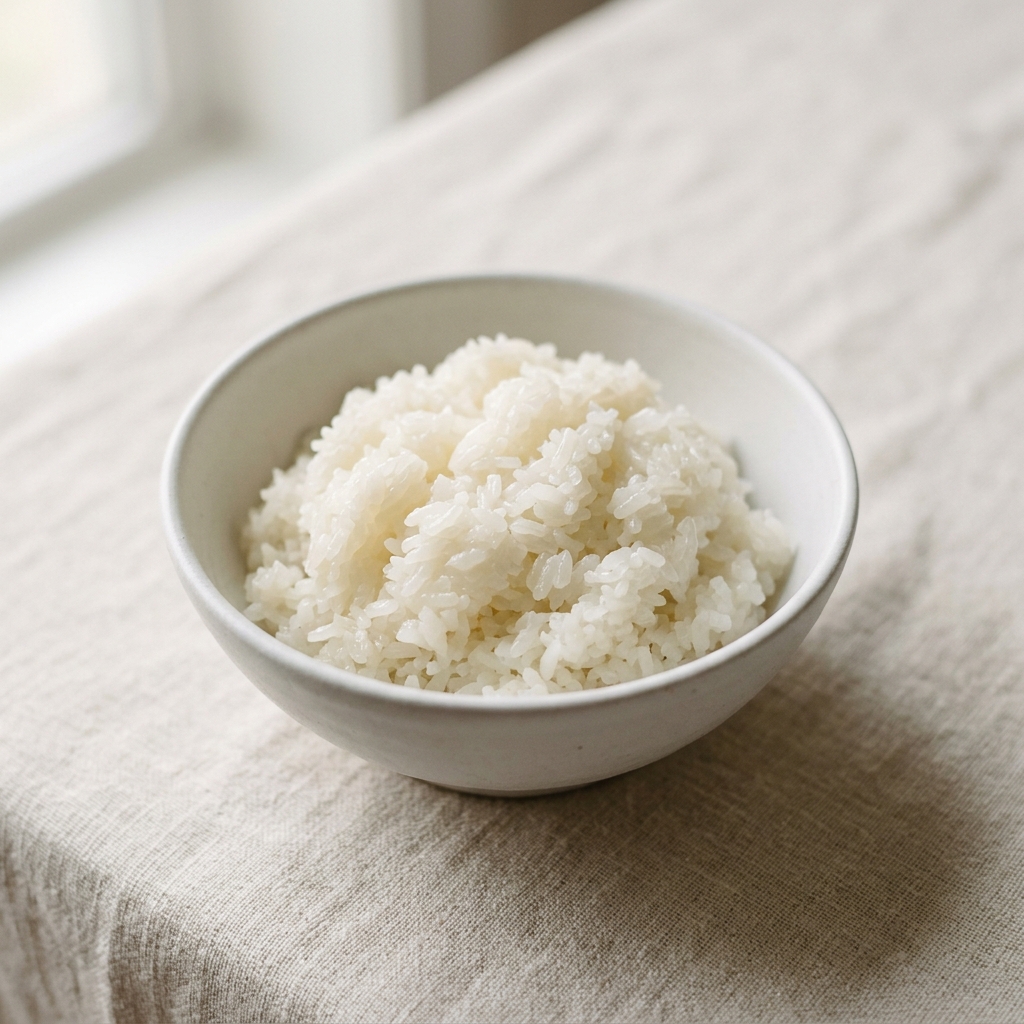 |
Sticky (glutinous) rice Highest GI here |
92 | 31 | 150 g cooked | — |
Sorted lowest to highest GI. GI: low 55 or less, medium 56–69, high 70+. GL per serving: low 10 or less, medium 11–19, high 20+. 150 g cooked is about ¾ cup. No rice or grain fits keto or Atkins Phase 1.
What makes one rice lower than another
The type of starch. Long-grain rices like basmati contain more amylose, a starch that digests slowly. Jasmine and sticky rice are mostly amylopectin, the soft, clingy starch that breaks down fast. That one difference spreads rice from the 50s to the 90s.
Parboiling. Parboiled rice is steamed in its husk before milling, which firms up the starch. That’s why it tests at 38 while ordinary long-grain white rice tests at 73.
Brown isn’t automatically low. Brown rice averages 68. It has more fiber than white, but basmati (58) and parboiled (38) both test lower.
Portion size. Rice is dense with carbs: about ¾ cup cooked holds 33–42 g. That’s why most rices carry a high GL even when their GI is medium. Restaurant portions are often double the serving here.
Best and worst picks
Best picks (GI 55 or less)
- Pearl barley (28)
- Parboiled rice (38)
- Wheat berries (41)
- Bulgur (48)
- Buckwheat (49)
- Quinoa (53)
Middle of the road
- Wild rice (57)
- Basmati rice (58)
- Couscous (65)
- Brown rice (68)
- Polenta (68)
Limit (GI 70 or more)
- Sticky rice (92)
- Jasmine rice (89)
- Instant white rice (87)
- Long-grain white rice (73)
- Millet (71)
Smart swaps
| Instead of | Try | The difference |
|---|---|---|
| Jasmine rice | Basmati rice | GI 89 → 58 |
| Instant white rice | Parboiled rice | GL 37 → 14 |
| Long-grain white rice | Pearl barley (in soups and sides) | GI 73 → 28 |
| Brown rice | Quinoa | GI 68 → 53 |
| Couscous | Bulgur | GI 65 → 48 |
| Millet | Buckwheat | GI 71 → 49 |
Low-GI rice and grain shopping list
- Pearl barley
- Parboiled (converted) rice
- Basmati rice
- Bulgur
- Quinoa
- Buckwheat groats (kasha)
- Wheat berries
Reading the label:
- “Parboiled” or “converted” on the bag means the rice was steamed before milling. That’s the one you want.
- “Instant,” “quick-cook,” and “minute” rice are precooked and dried, which pushes the GI up.
- Couscous is tiny pasta made from semolina, not a whole grain, unless the label says whole wheat.
- Rice blends and pilaf mixes are often mostly white rice. Check which grain is listed first.
Tips to help you succeed
- Cook it a day ahead. Rice that’s cooked, chilled overnight, and reheated forms some resistant starch, and studies show a modestly lower blood sugar response. I cook rice a day early for fried rice and grain bowls anyway.
- Stretch it. I mix white rice half and half with cooked lentils or riced cauliflower. It’s still rice on the plate, with a much smaller GL.
- Measure once. Three-quarters of a cup of cooked rice is one serving. Put it in a measuring cup one time so you know what it looks like on your plate.
- Build the plate around it. Protein, vegetables, and a little fat slow how fast the carbs reach your bloodstream. Rice on its own hits hardest.
- Use barley in soups. It holds up better than rice or noodles in a pot of soup and has the lowest GI on this list.
How I cook rice and grains
I keep parboiled rice and basmati in the pantry and save jasmine for takeout nights. Barley goes into soups instead of rice or noodles, and quinoa or bulgur fills in for rice in grain bowls and salads.
Frequently asked questions
Is brown rice lower glycemic than white rice?
Only somewhat. Brown rice averages 68 versus 73 for regular long-grain white. But basmati (58) and parboiled rice (38) both test lower than brown, so the type of white rice matters more than the color.
What is the lowest glycemic rice?
Parboiled, or converted, rice at 38. Next are wild rice (57) and basmati (58). Jasmine (89) and sticky rice (92) are the highest.
Is quinoa low glycemic?
Yes. Quinoa tests at 53, in the low range, with a medium GL of 13 per ¾ cup cooked. Barley, bulgur, and buckwheat test lower still.
Does cooling rice lower its glycemic index?
It can lower the effect somewhat. Cooling cooked rice turns some of its starch into resistant starch, which isn’t digested as quickly, and studies of cooled and reheated rice show a smaller blood sugar rise. It helps at the margin. Choosing a lower-GI rice helps more.
Can you eat rice on South Beach or keto?
South Beach Phase 1 excludes all rice and grains. From Phase 2, low-GI grains like barley, bulgur, buckwheat, and quinoa are back, with brown and wild rice in moderation. Rice doesn’t fit keto: a ¾-cup serving has 33–42 g of carbs.
Printable rice and grains list
A free one-page version of this list is coming soon. For the full printable set covering every food group, see the glycemic index food lists at Health List Now.
GI values vary between tests. This page is general information, not medical advice. Last reviewed October 2026.