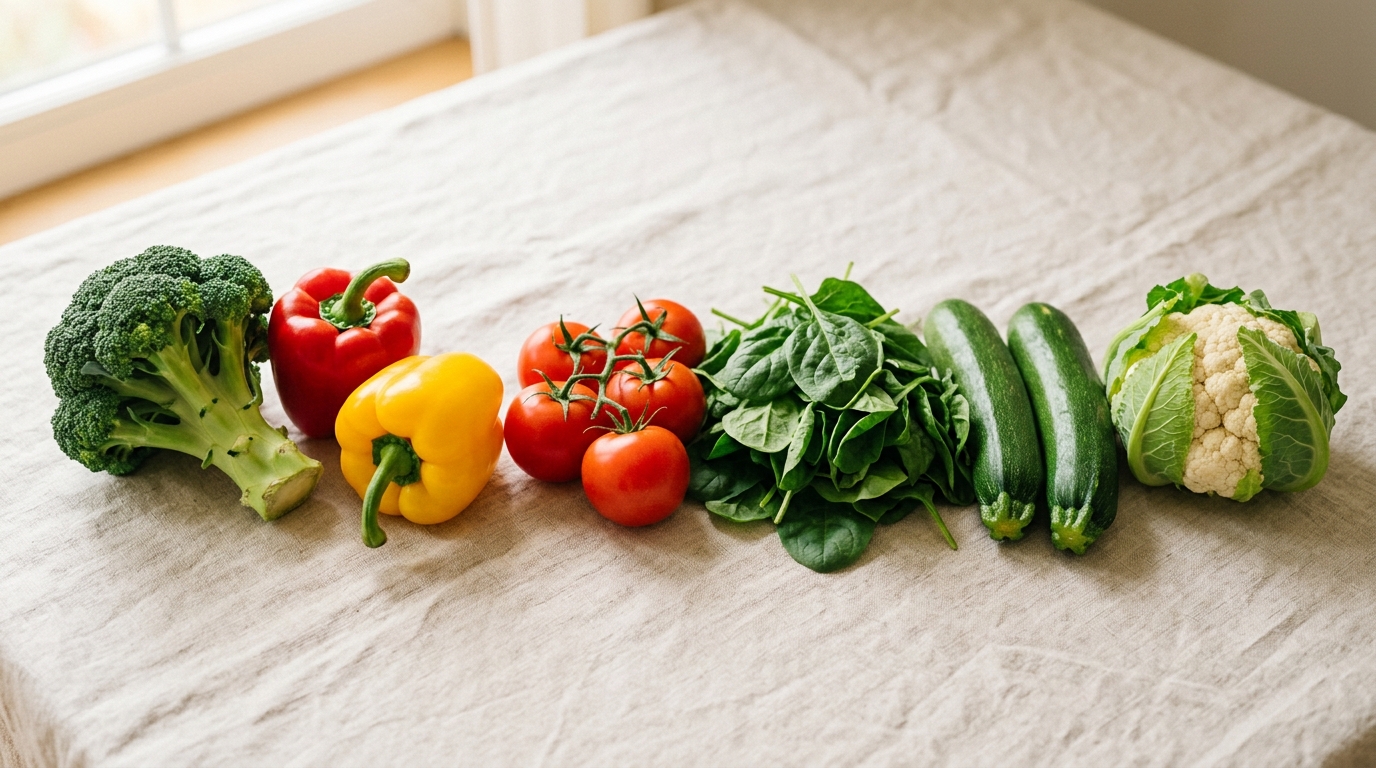
Most vegetables don’t have a glycemic index at all. Broccoli, spinach, peppers, mushrooms, and the rest contain so little carbohydrate that a GI can’t be measured. That’s the best result a food can get: on any low-GI or low-carb plan, these are the foods you can eat freely.
Below are the carbs per serving for 25 vegetables, which plans they fit, the swaps that matter most, and a shopping list you can print.
- Vegetable table
- Why vegetables have no GI
- Lowest-carb picks
- Smart swaps
- Shopping list
- Tips
- FAQ
- Printable
Fewest carbs: avocado, celery, olives, lettuce, and spinach, about 1 g per serving
Most carbs: onions, leeks, and carrots, about 6 g. Still low.
Biggest myth: carrots. They test at 16 raw and 39 cooked, both low.
Non-starchy vegetables: carbs and GI for 25 vegetables
| Vegetable | GI | Carbs | Serving | Fits these plans | |
|---|---|---|---|---|---|
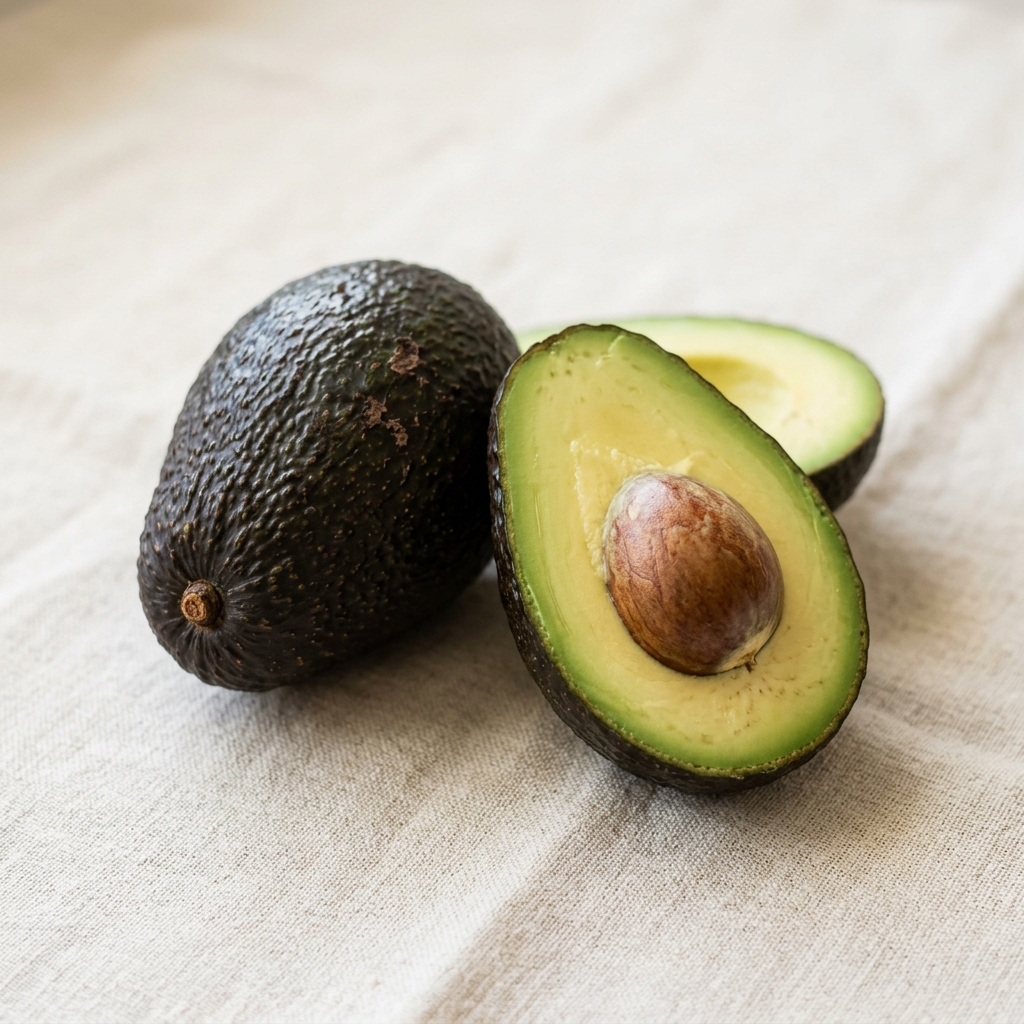 |
Avocado | No GI | 1 g | 1/2 fruit (70 g) | All plans |
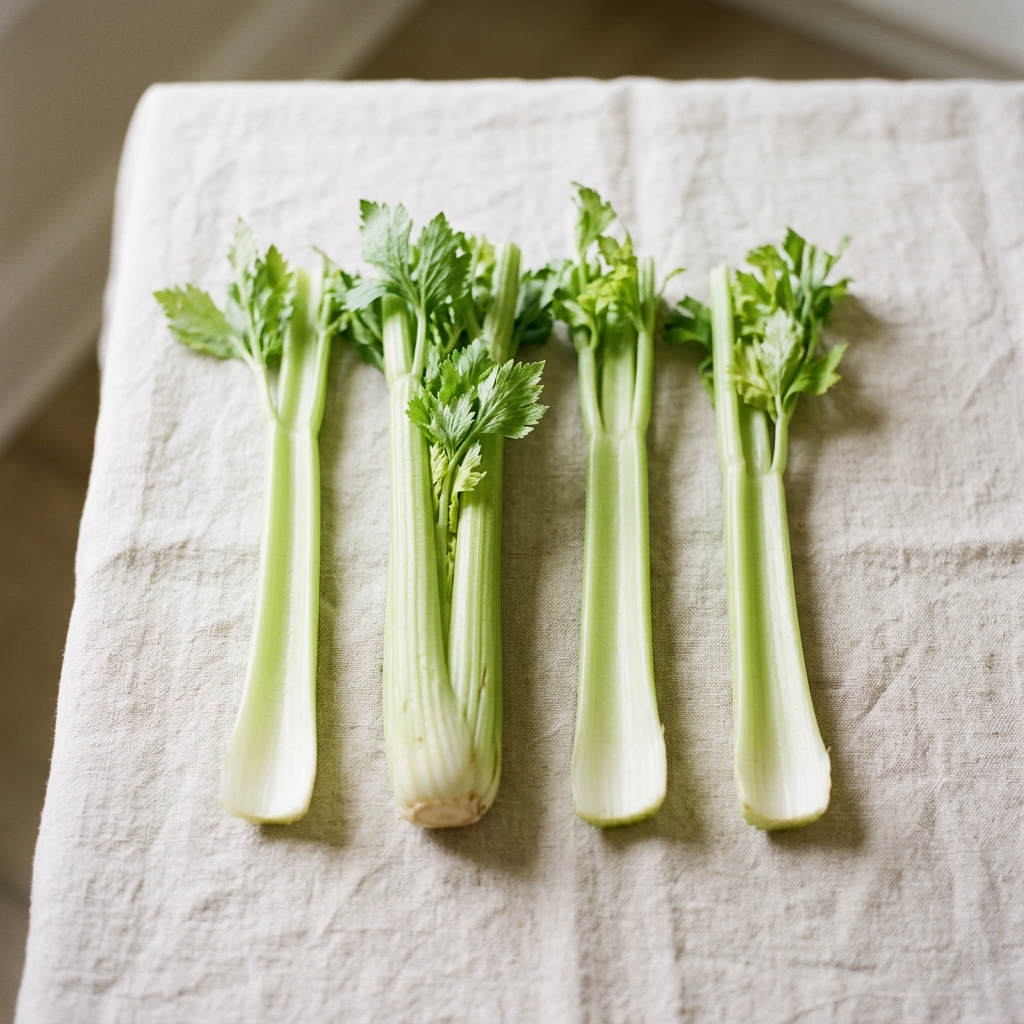 |
Celery | No GI | 1 g | 80 g | All plans |
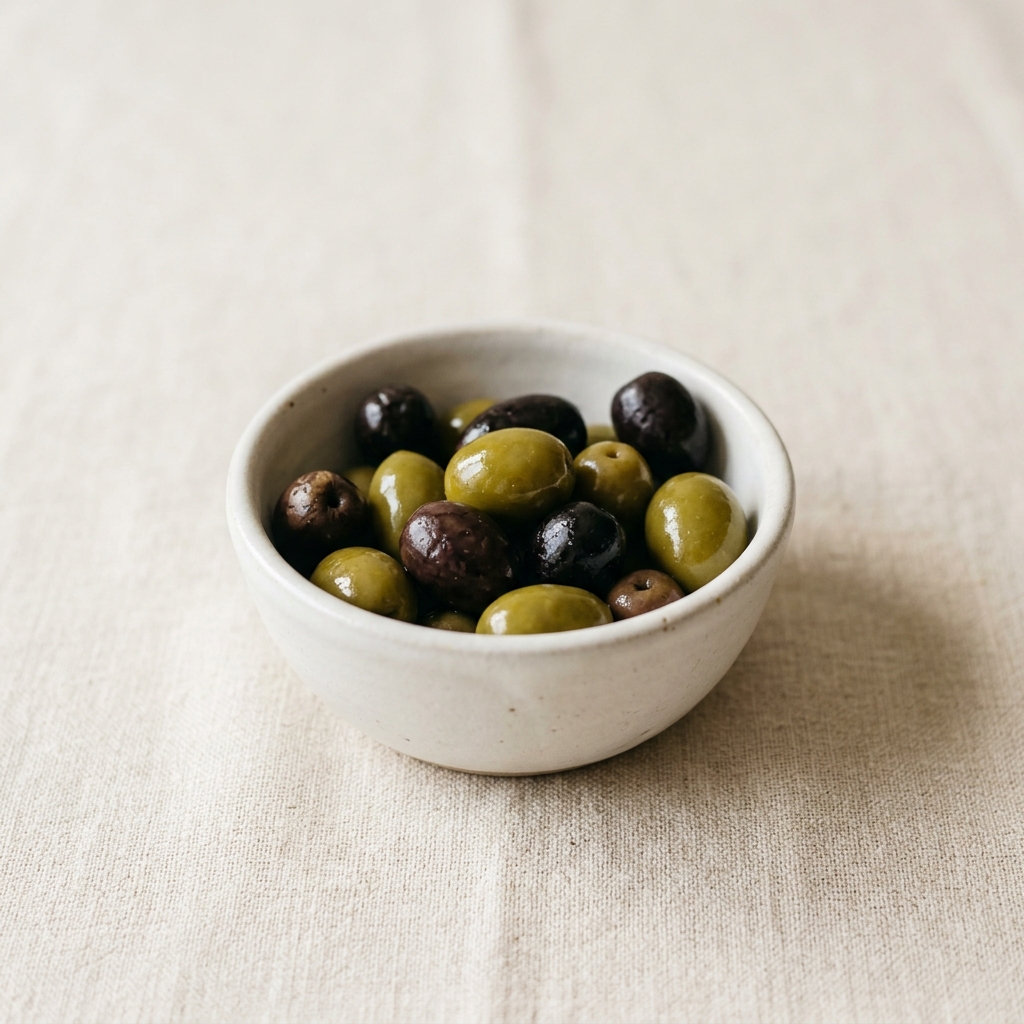 |
Olives | No GI | 1 g | 30 g | All plans |
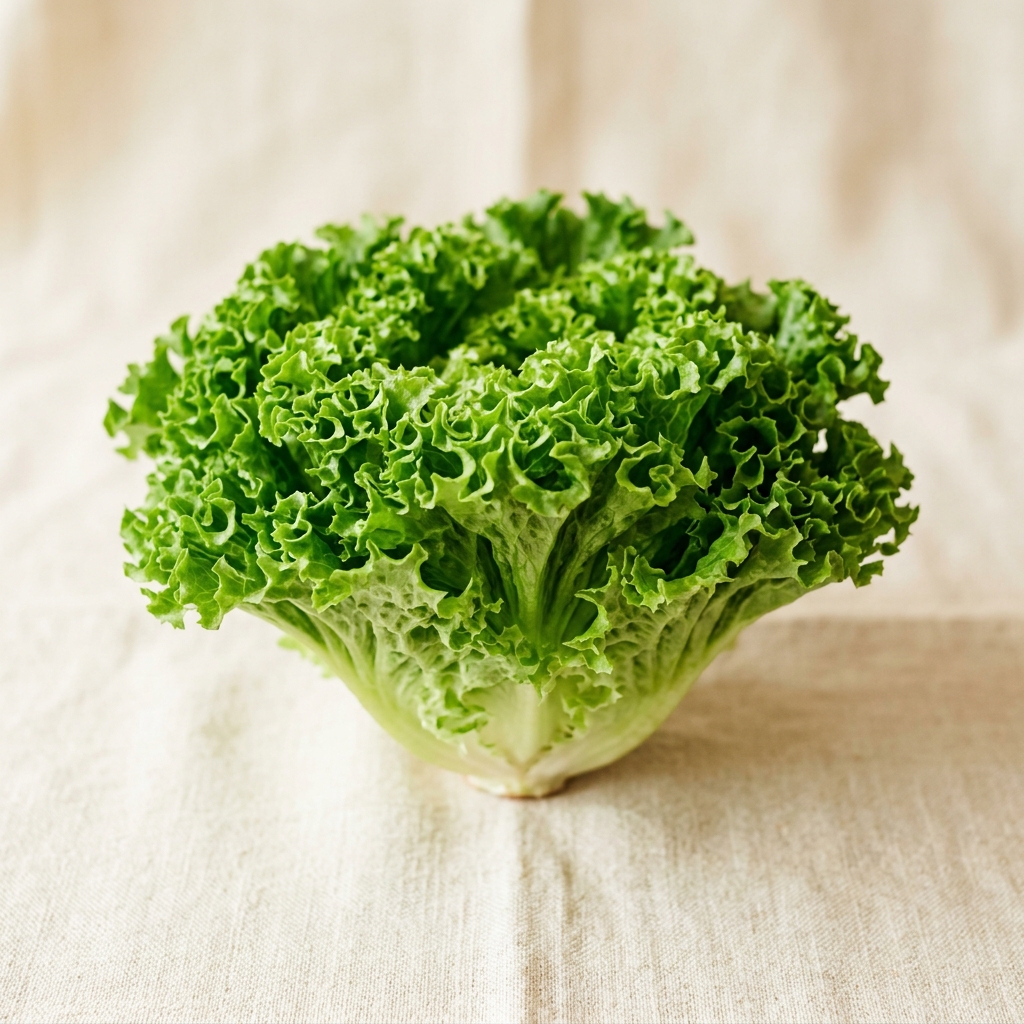 |
Lettuce and salad greens | No GI | 1 g | 80 g | All plans |
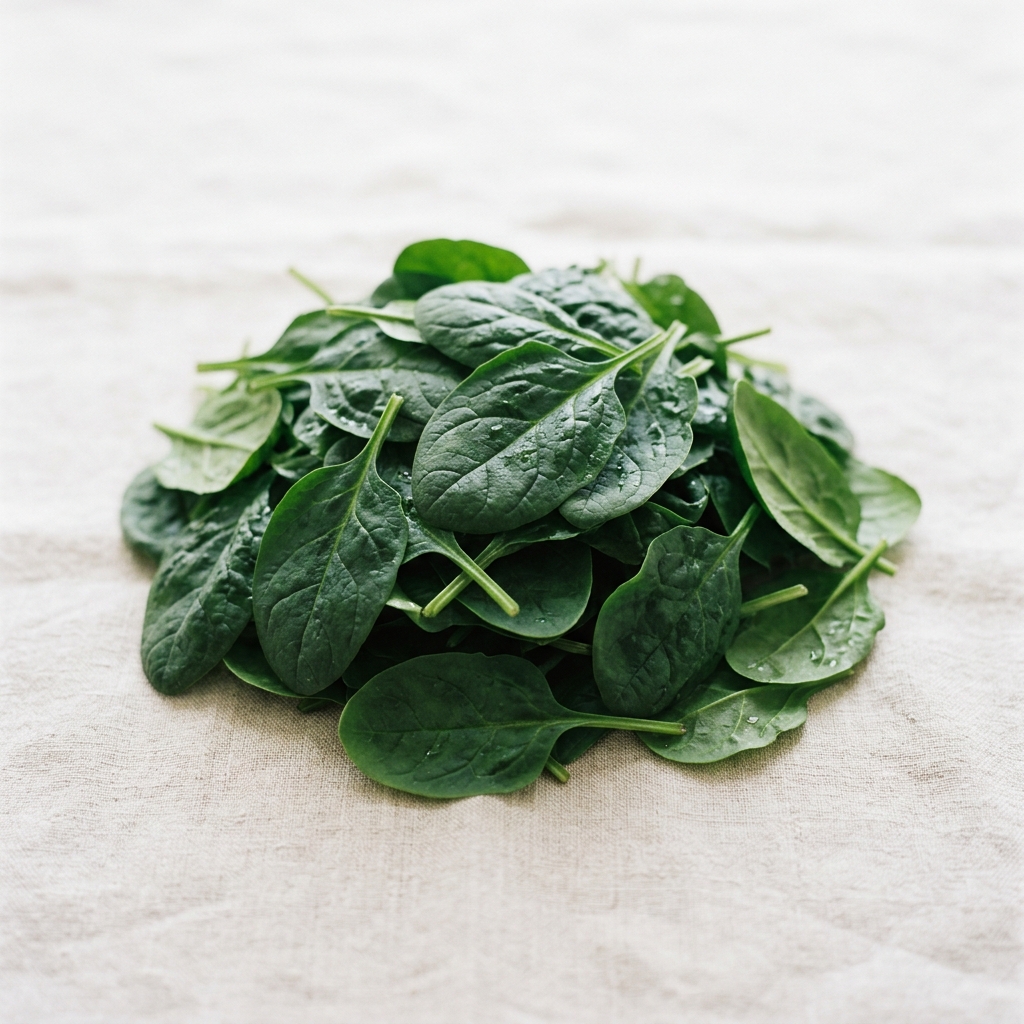 |
Spinach | No GI | 1 g | 80 g | All plans |
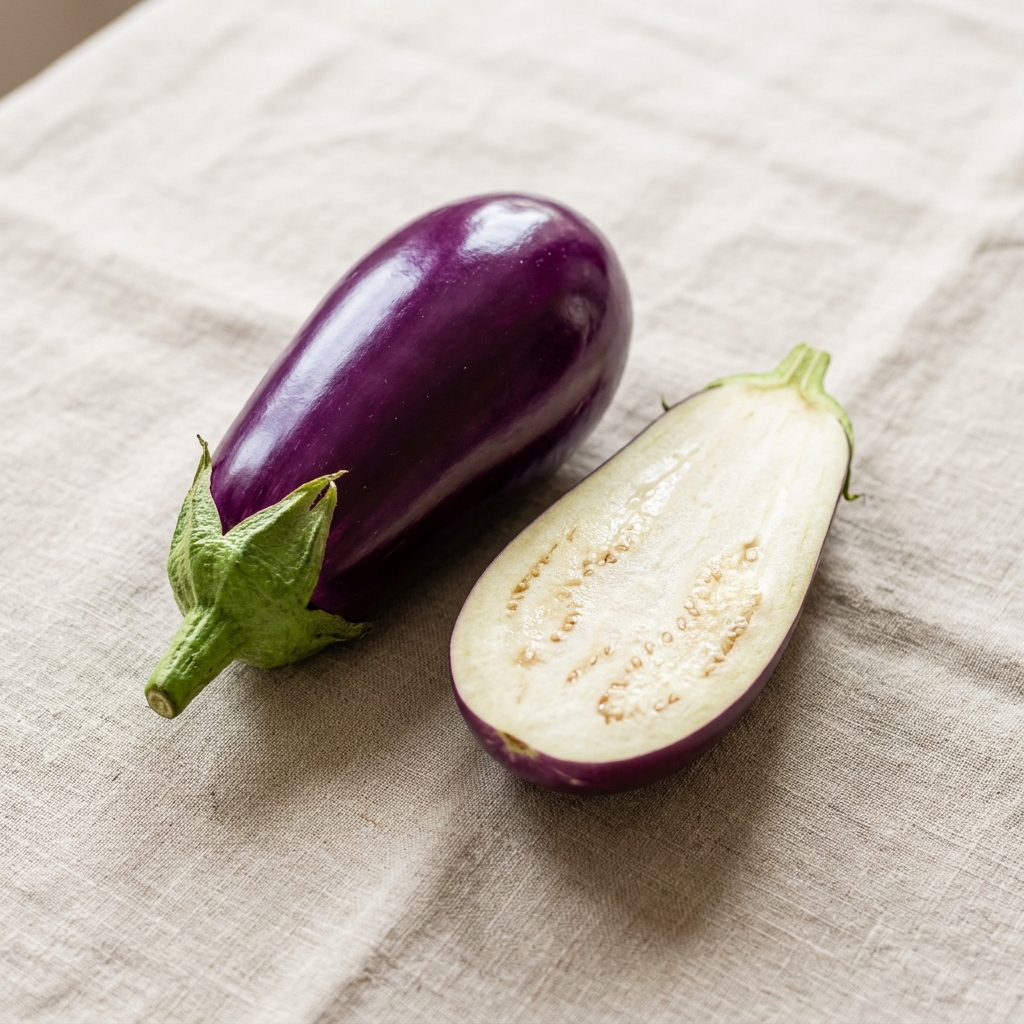 |
Eggplant | No GI | 2 g | 80 g | All plans |
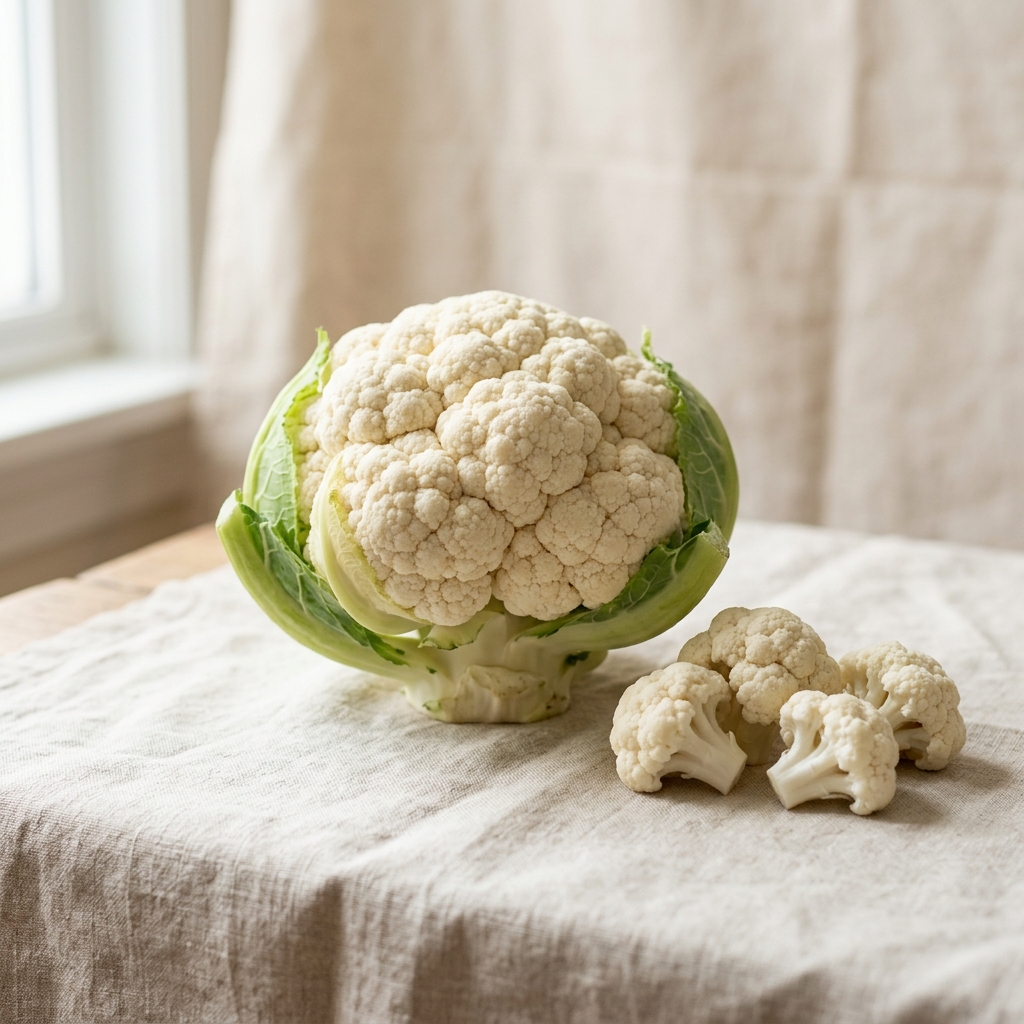 |
Cauliflower | No GI | 2 g | 80 g | All plans |
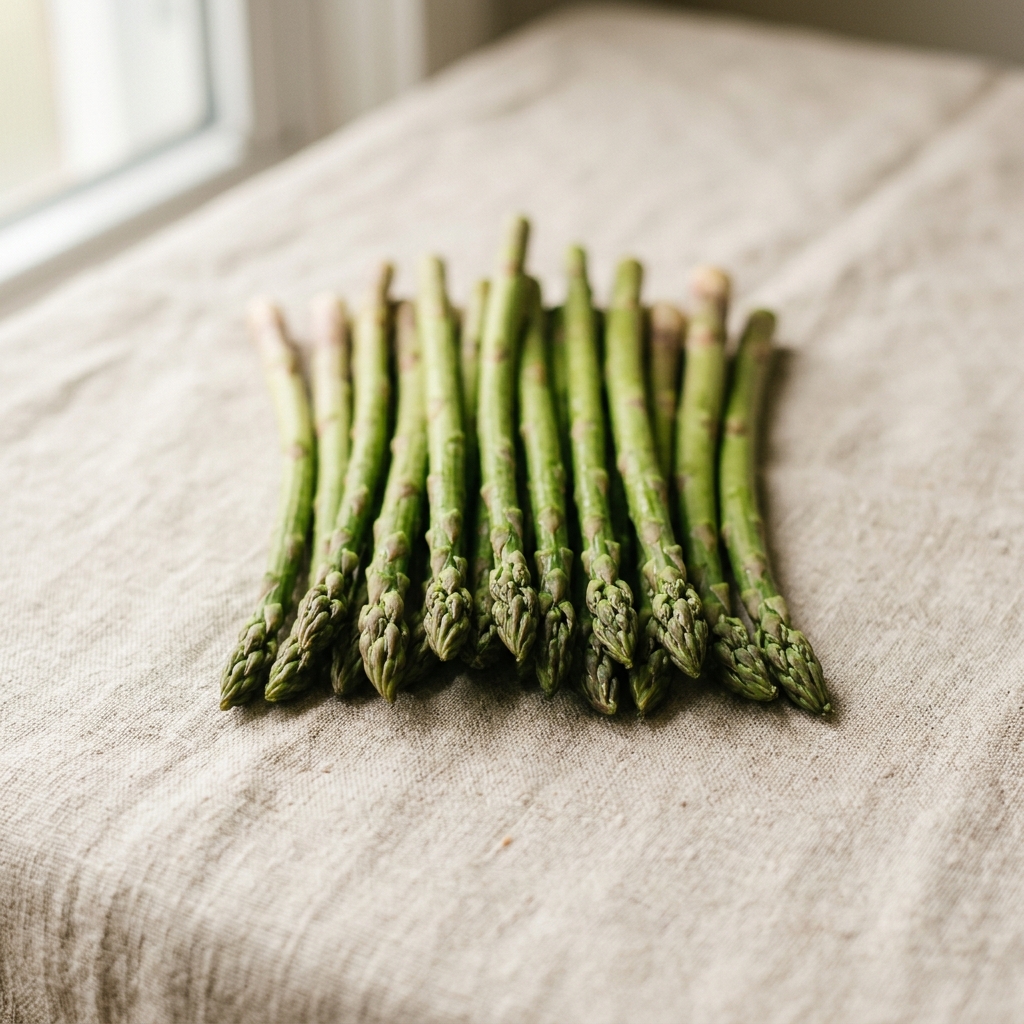 |
Asparagus | No GI | 2 g | 80 g | All plans |
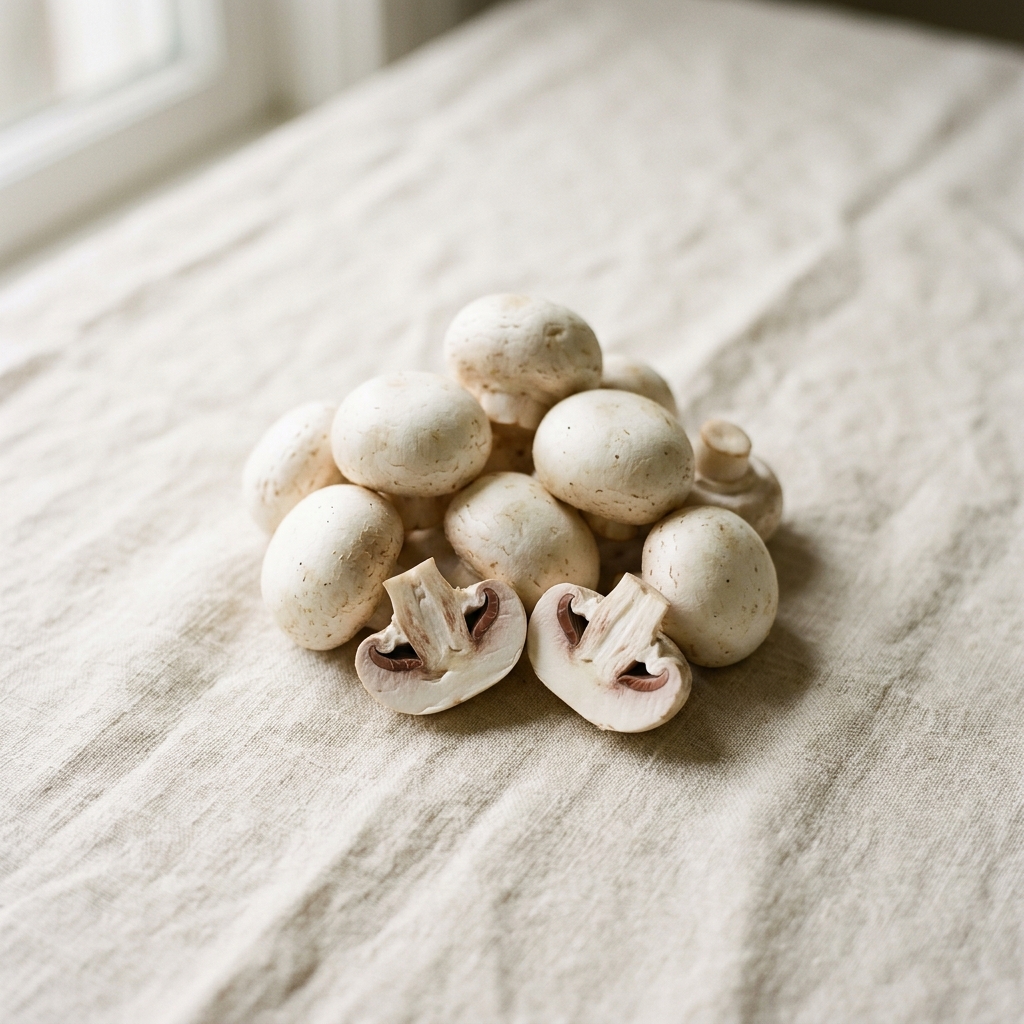 |
Mushrooms | No GI | 2 g | 80 g | All plans |
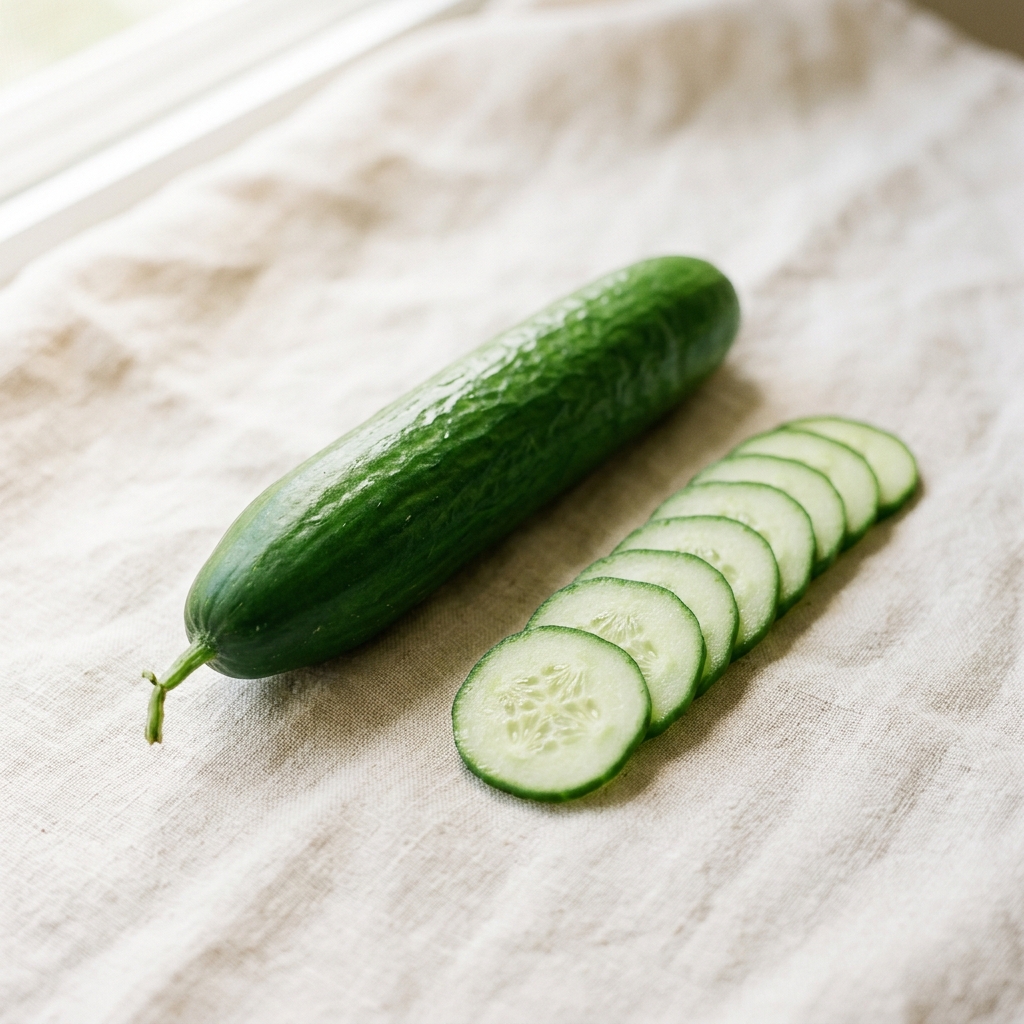 |
Cucumber | No GI | 2 g | 80 g | All plans |
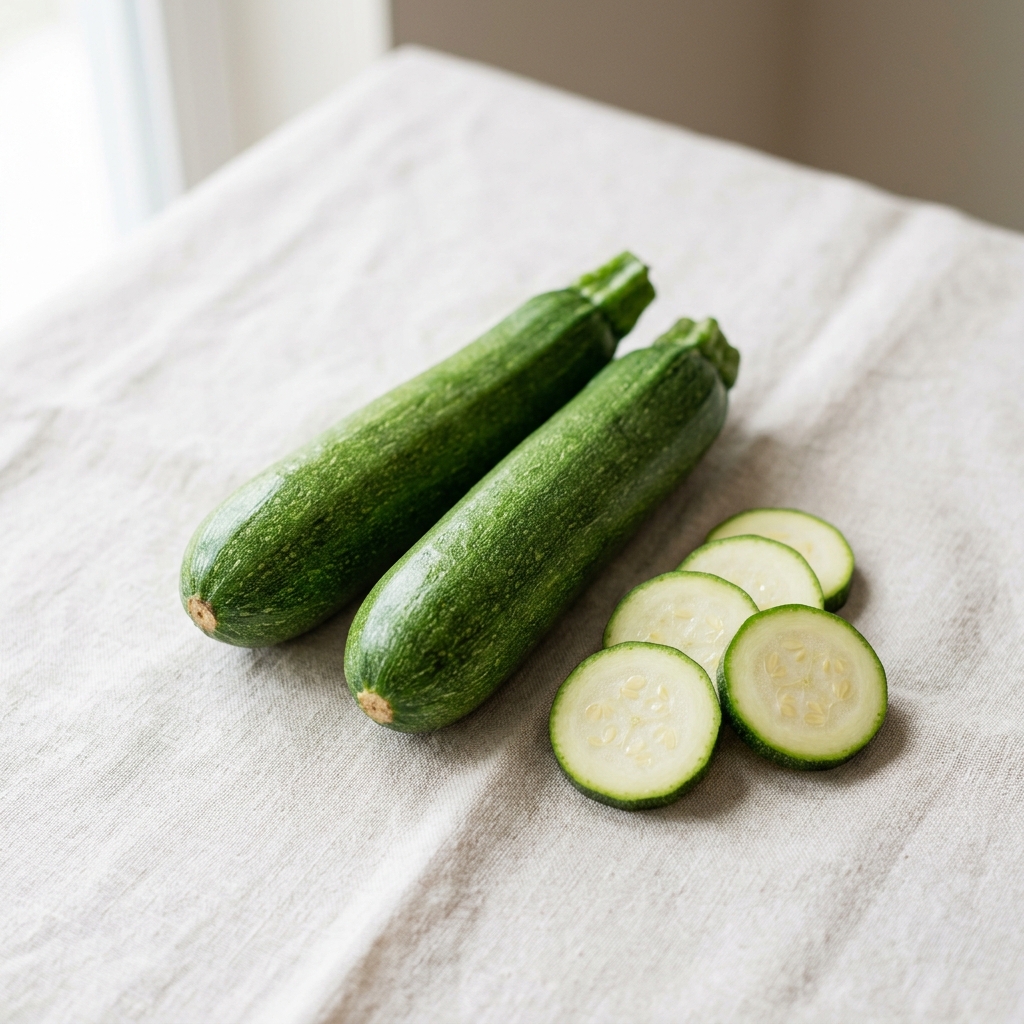 |
Zucchini and summer squash | No GI | 2 g | 80 g | All plans |
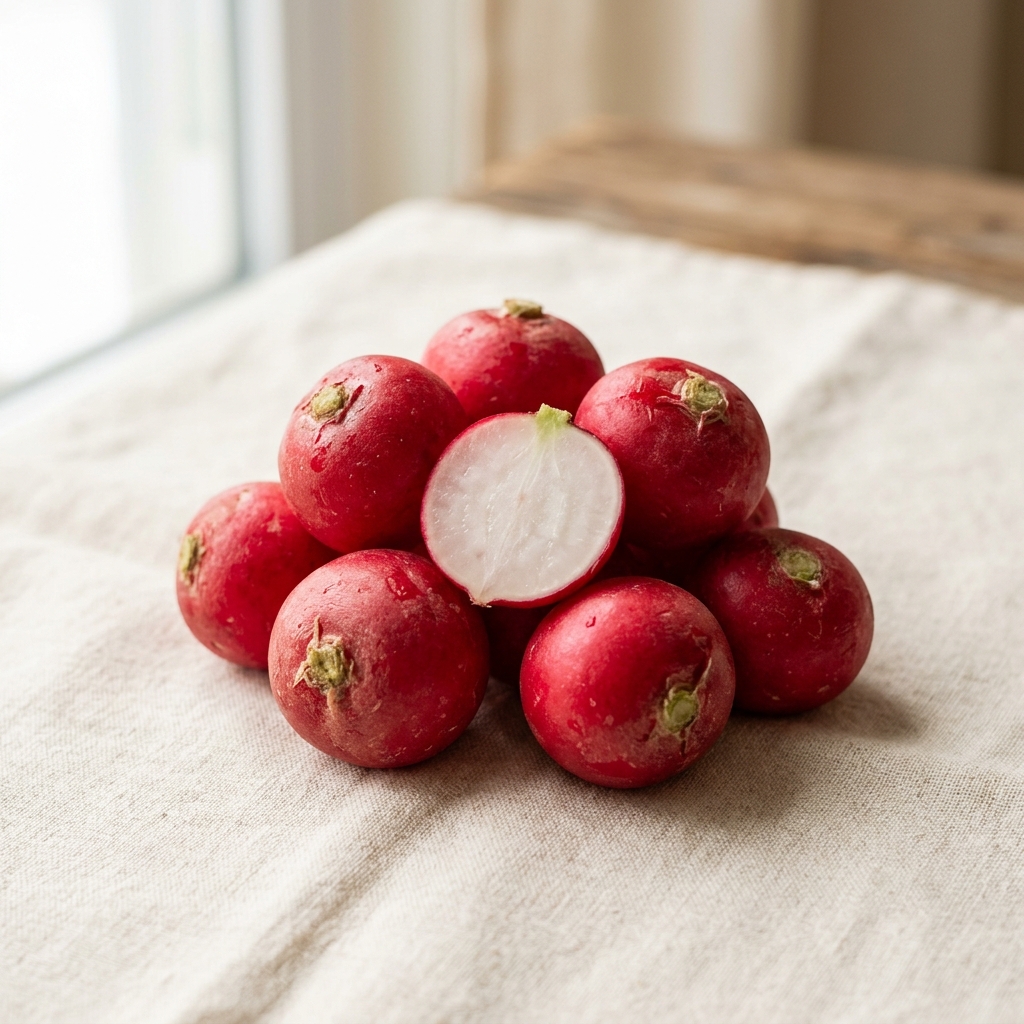 |
Radishes | No GI | 2 g | 80 g | All plans |
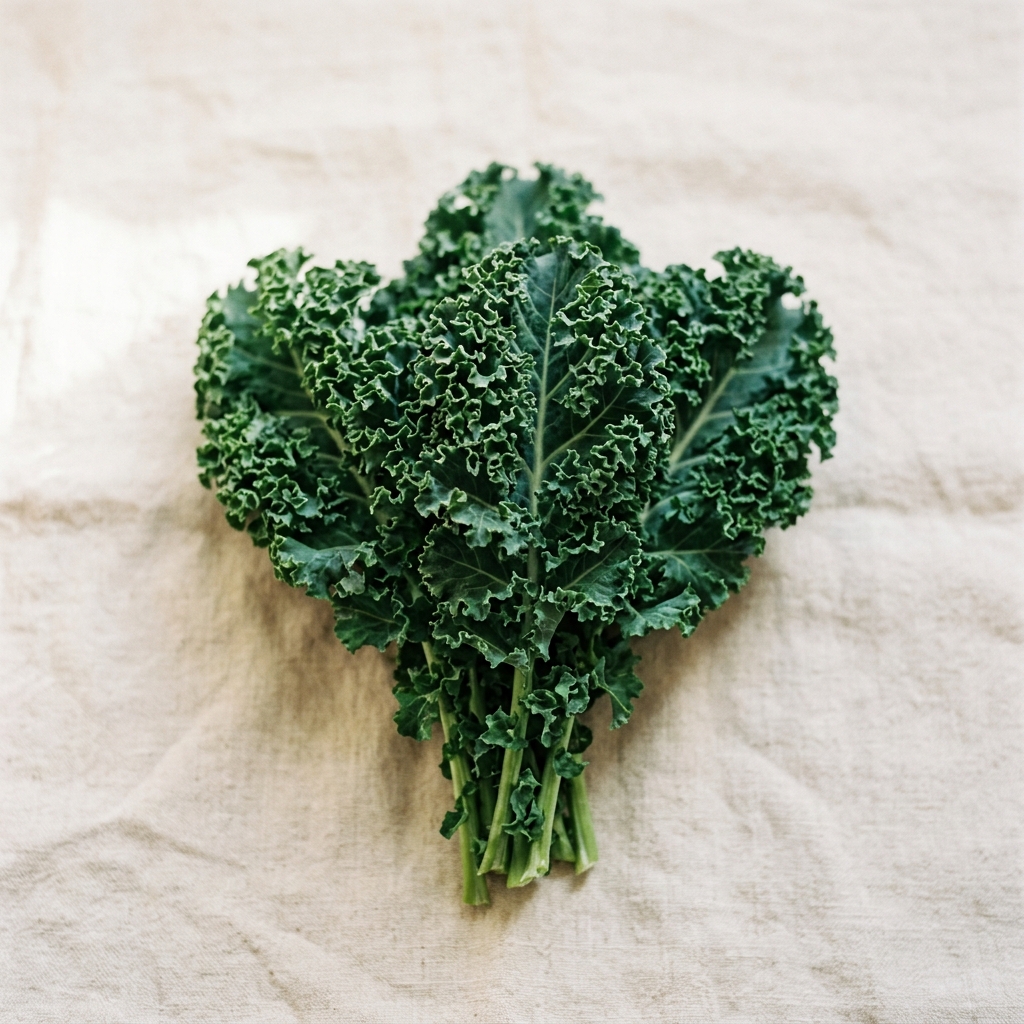 |
Kale | No GI | 3 g | 80 g | All plans |
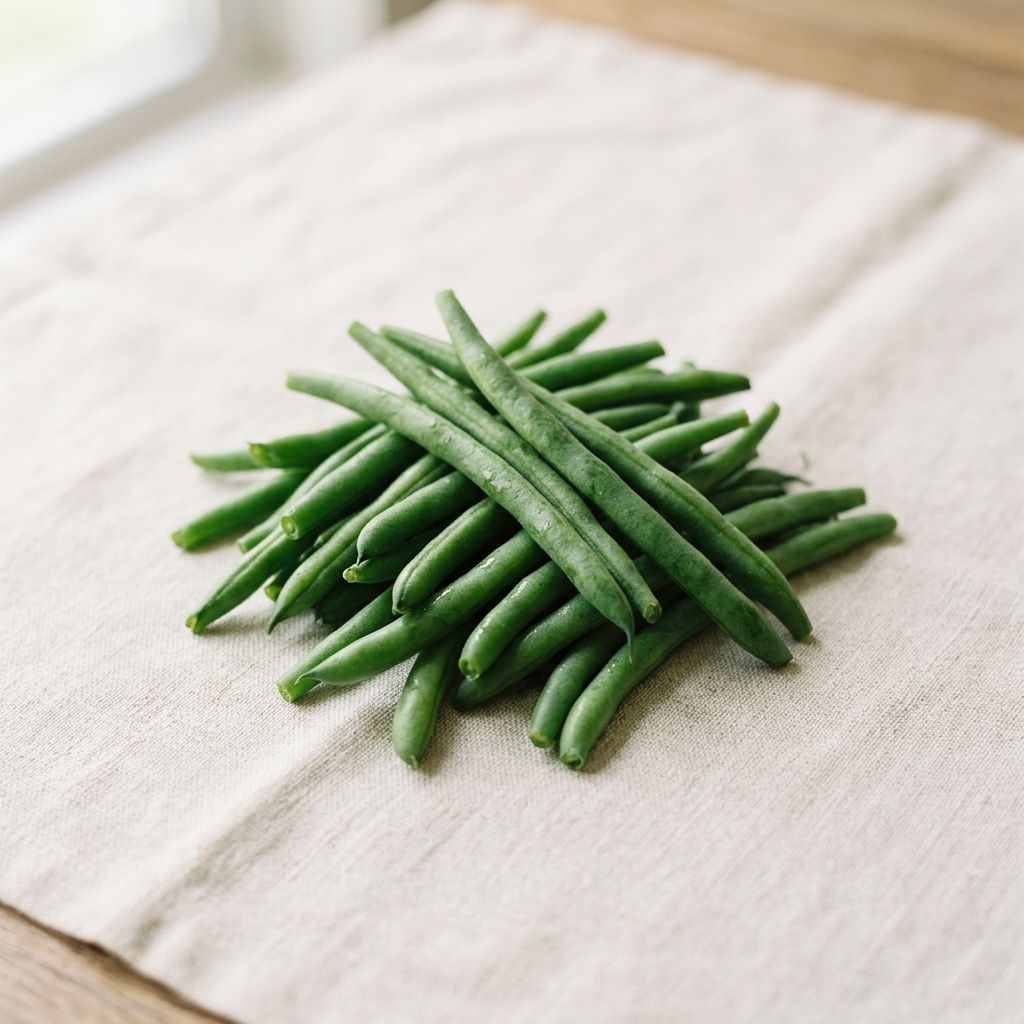 |
Green beans | No GI | 3 g | 80 g | All plans |
 |
Cabbage | No GI | 3 g | 80 g | All plans |
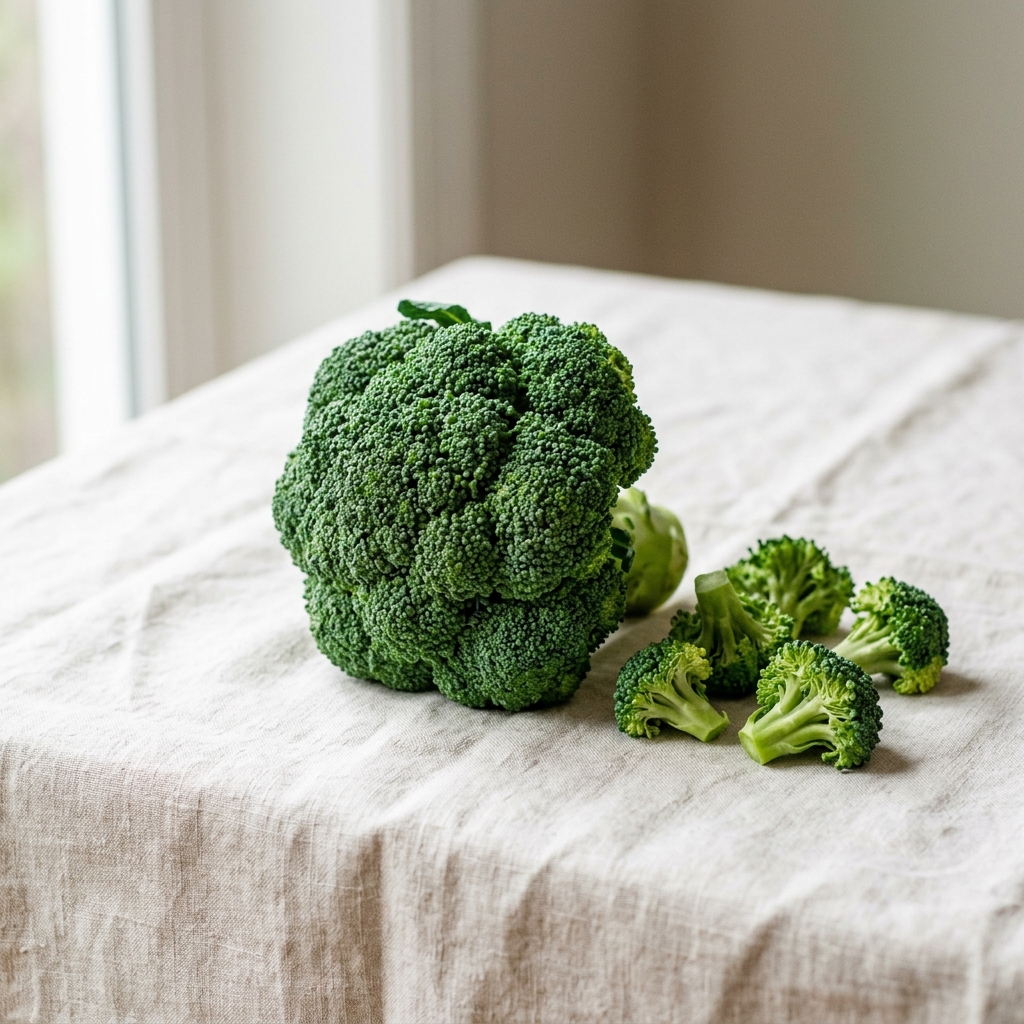 |
Broccoli | No GI | 3 g | 80 g | All plans |
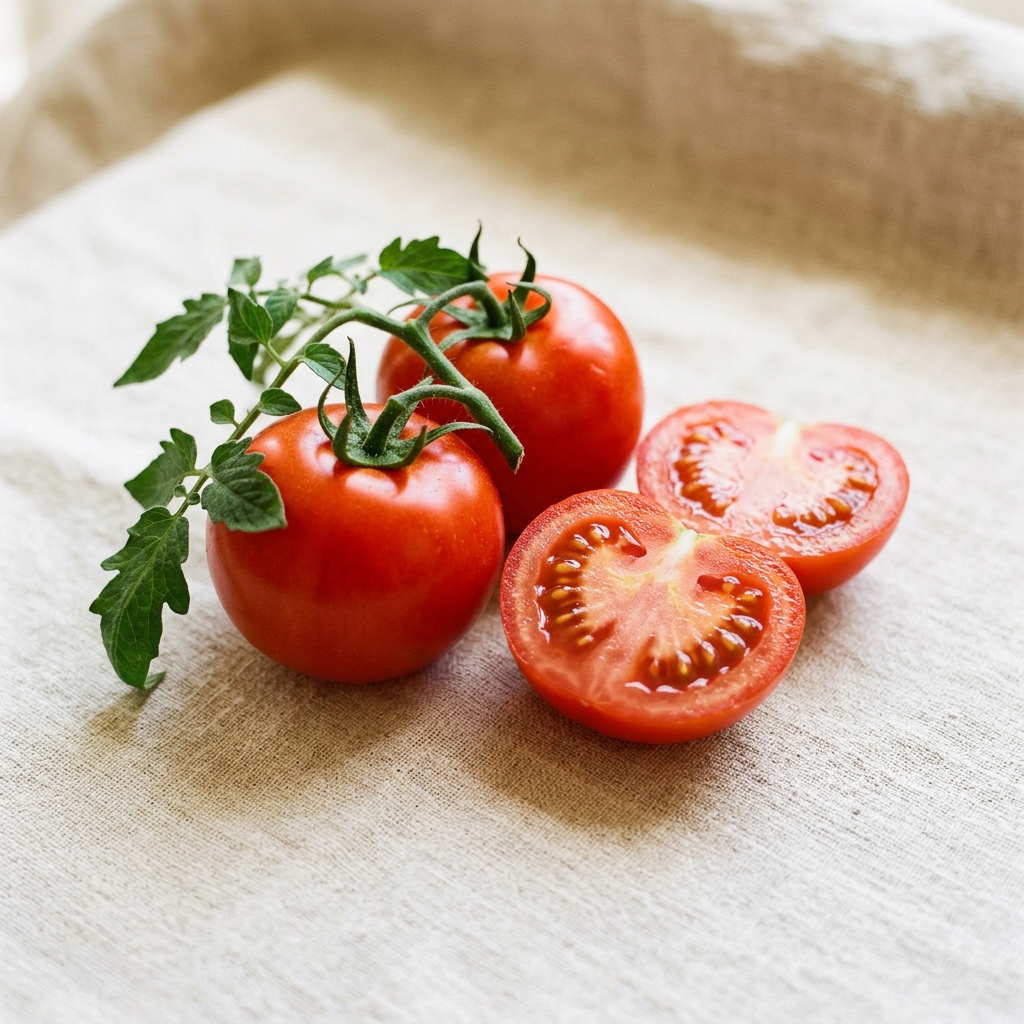 |
Tomato | No GI | 3 g | 80 g | All plans |
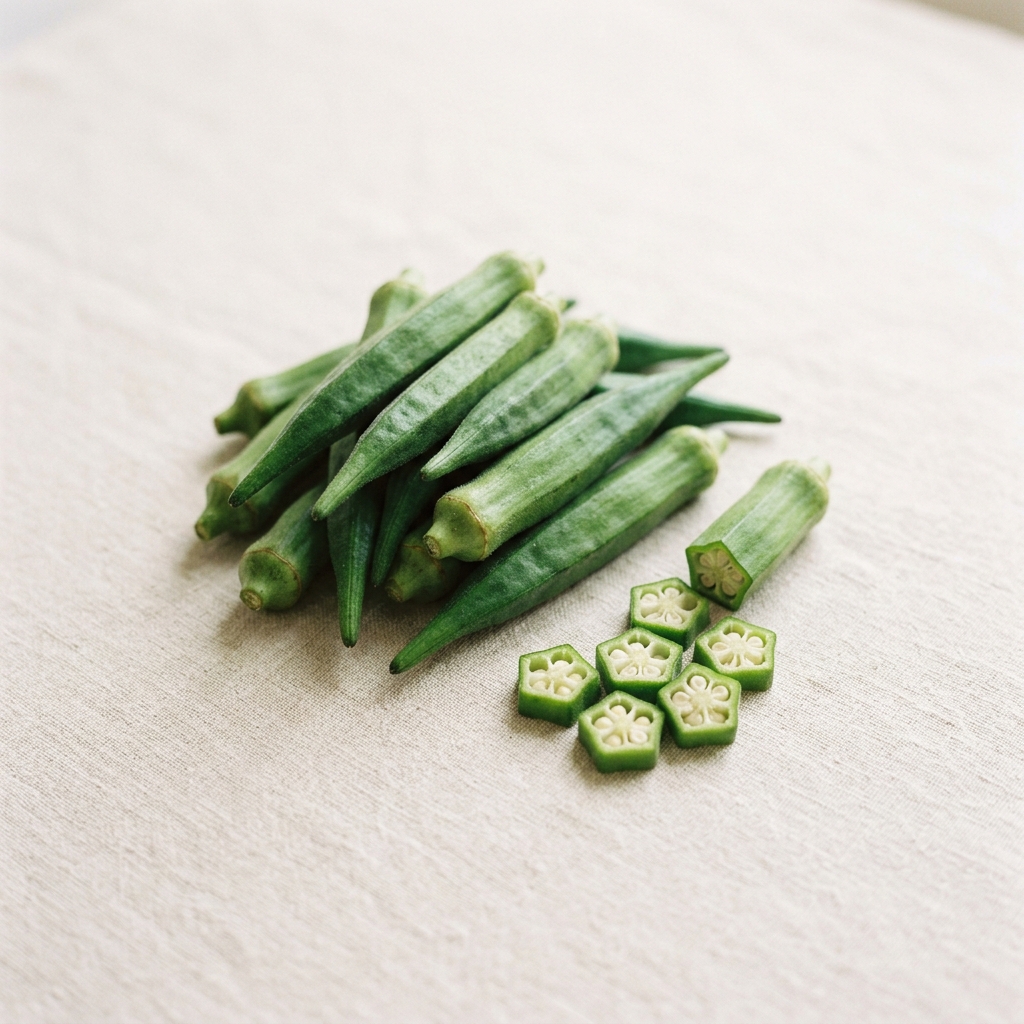 |
Okra | No GI | 3 g | 80 g | All plans |
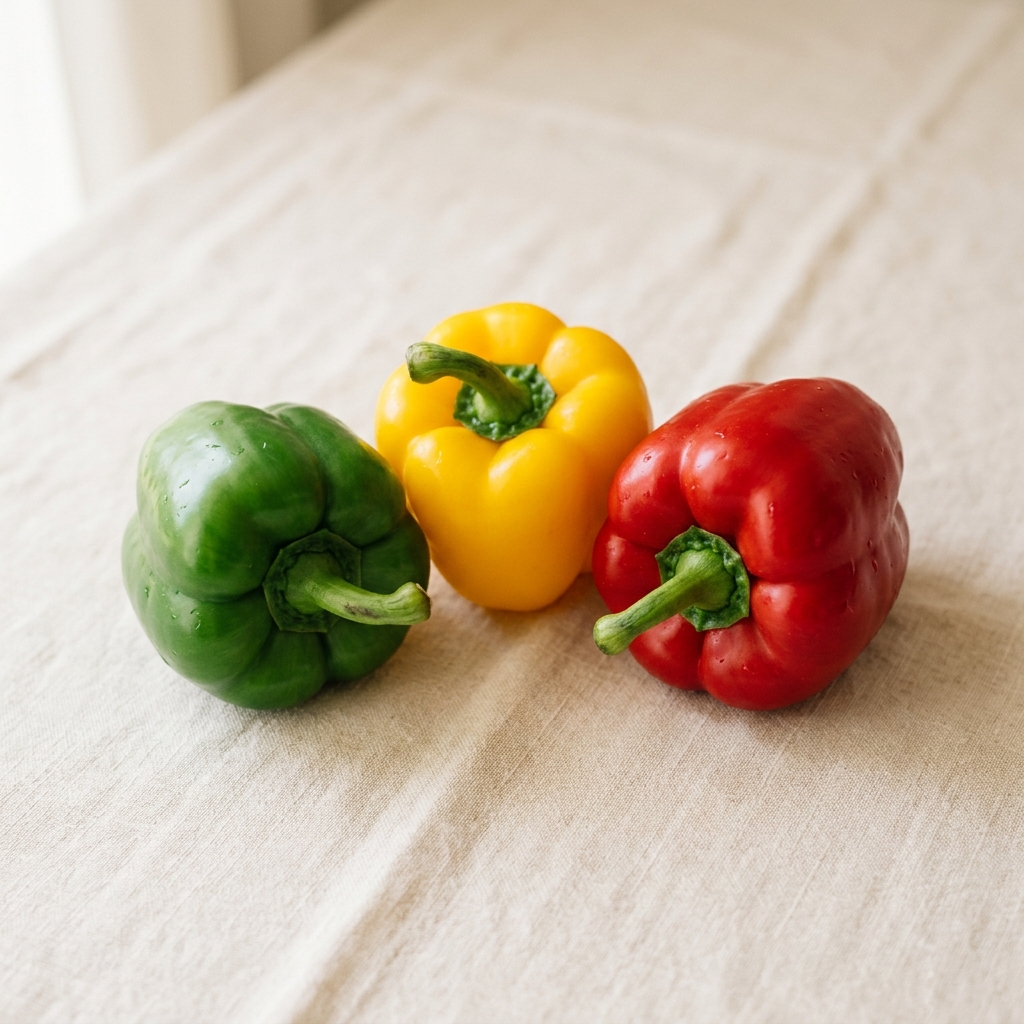 |
Bell pepper | No GI | 4 g | 80 g | All plans |
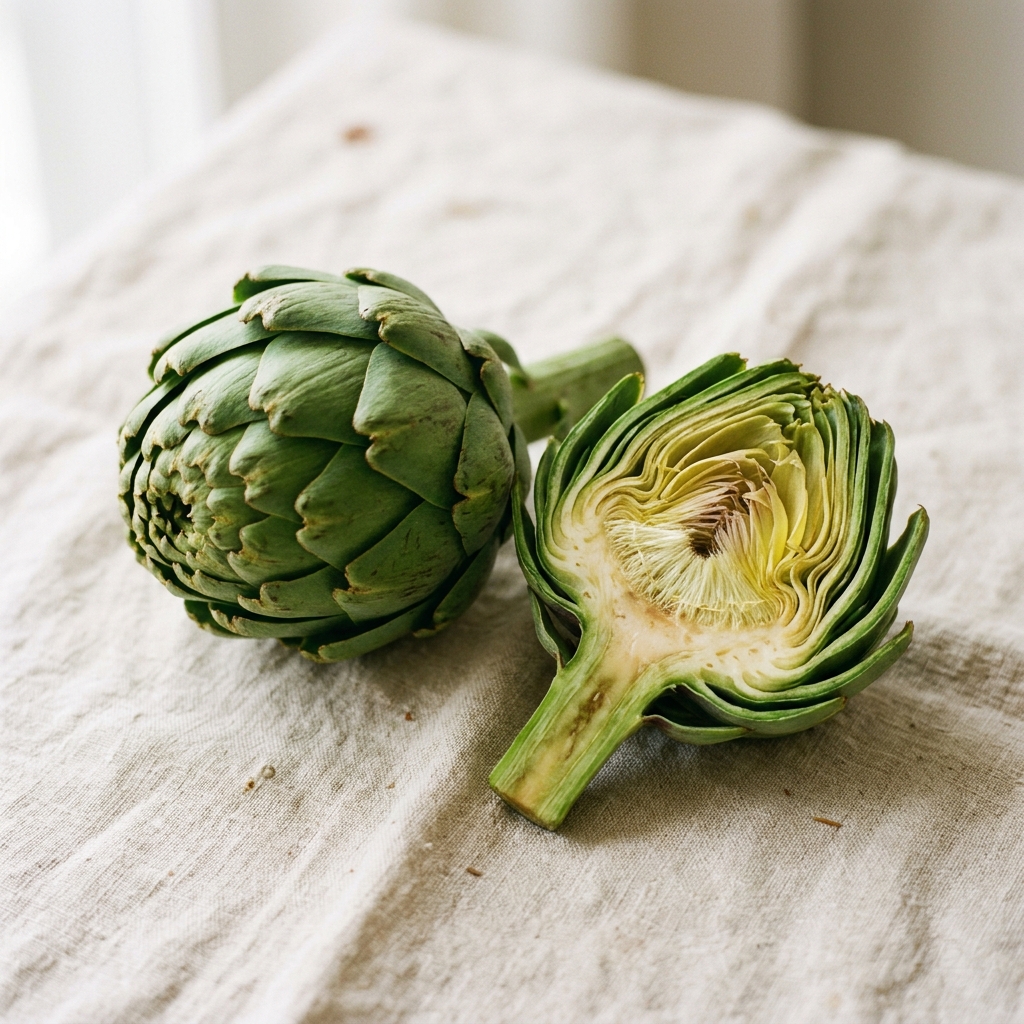 |
Artichoke | No GI | 4 g | 80 g | All plans |
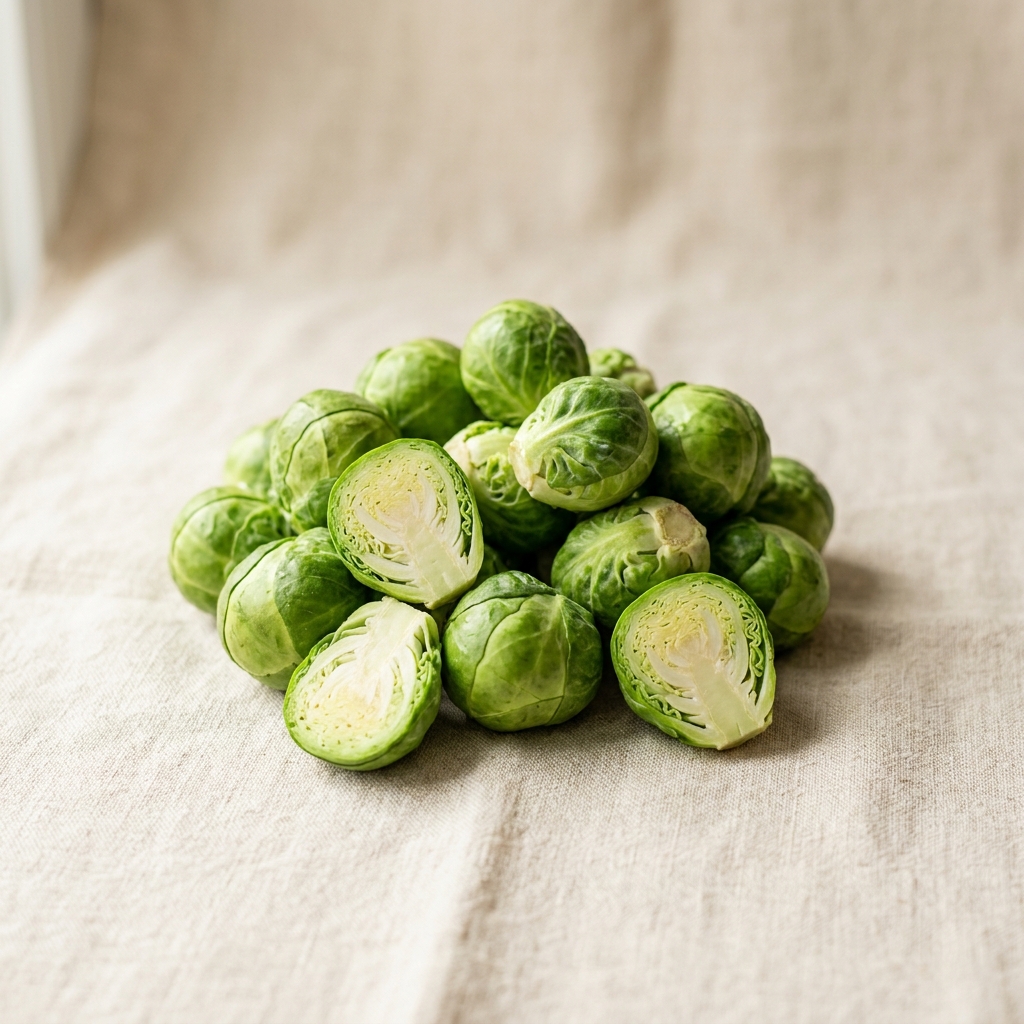 |
Brussels sprouts | No GI | 4 g | 80 g | All plans |
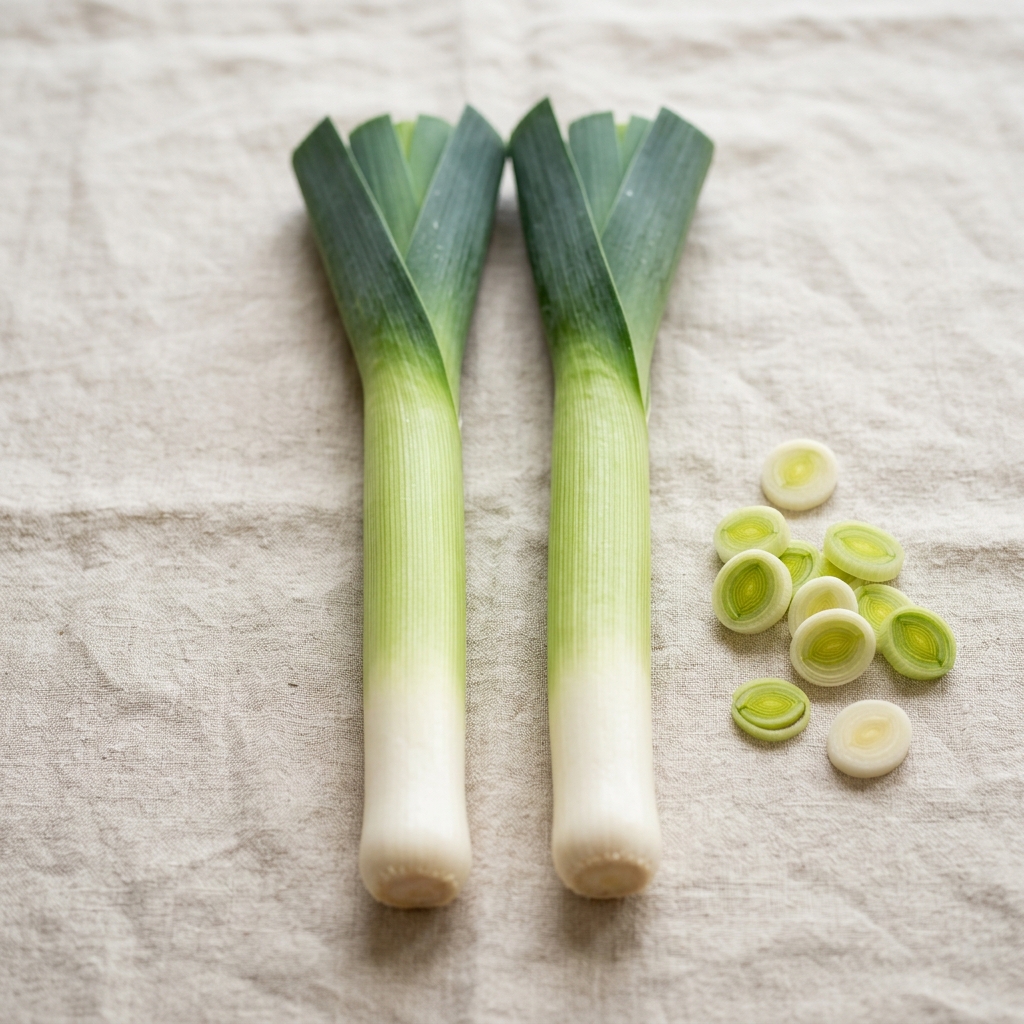 |
Leeks | No GI | 6 g | 80 g | All plans; smaller portions on Atkins P1 and keto |
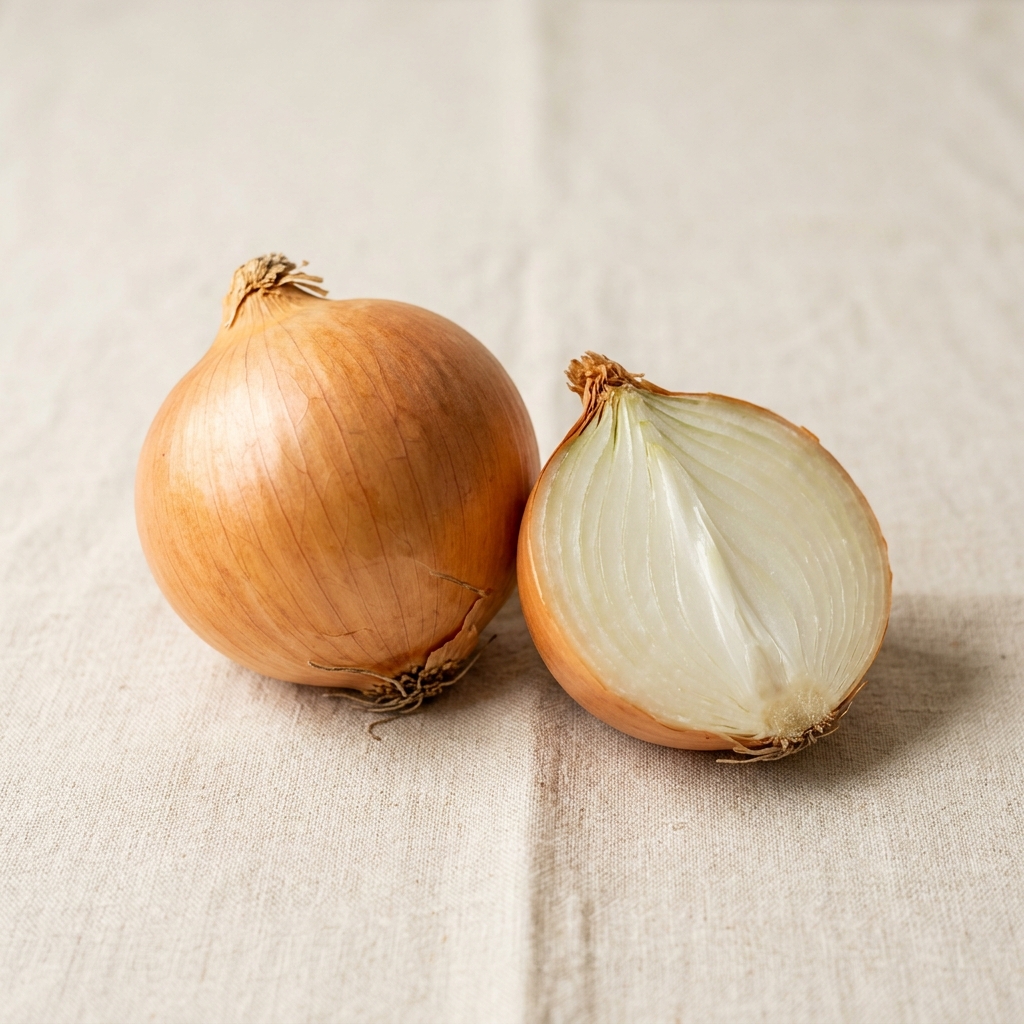 |
Onion | No GI | 6 g | 80 g | All plans; smaller portions on Atkins P1 and keto |
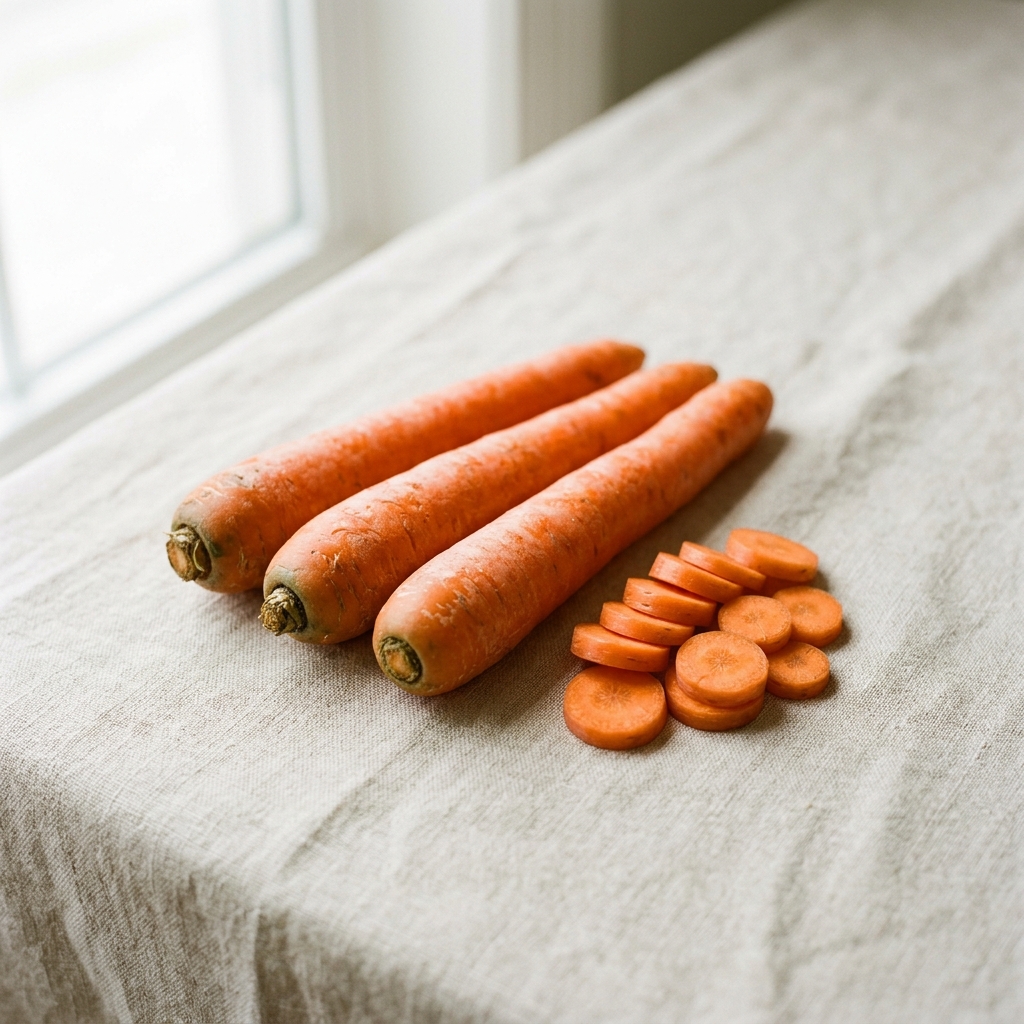 |
Carrots, raw | 16 | 6 g | 80 g | All plans; smaller portions on South Beach P1, Atkins P1, and keto |
|
Carrots, cooked | 39 | 6 g | 80 g | All plans; smaller portions on South Beach P1, Atkins P1, and keto |
Sorted by carbs per serving. “No GI” means the vegetable has too little carbohydrate to test; its GL is effectively zero. Carbs are available carbohydrate (total carbs minus fiber). 80 g is about 1 cup raw or ½ cup cooked.
Why most vegetables have no GI
The test needs a lot of carbs. A GI test measures how blood sugar responds to a portion containing a set amount of carbohydrate, usually 50 g. For broccoli, that’s more than 1 kg, over two pounds, eaten in one sitting. So these vegetables are listed as having no GI, and their GL is effectively zero.
Carrots got a bad reputation. Old tables listed cooked carrots in the 90s, and that number still circulates. Current testing puts them at 39 cooked and 16 raw, with a GL of about 2 per serving.
What you add matters more than the vegetable. Cheese sauce, breading, honey glazes, and sweet dressings can add more carbs than the vegetable underneath. Roasting with olive oil or steaming keeps them close to zero.
Lowest-carb picks
About 1–2 g per serving
- Avocado
- Celery
- Olives
- Lettuce and spinach
- Eggplant
- Cauliflower
- Asparagus
- Mushrooms
- Cucumber
- Zucchini
- Radishes
About 3–4 g
- Kale
- Green beans
- Cabbage
- Broccoli
- Tomato
- Okra
- Bell pepper
- Artichoke
- Brussels sprouts
About 6 g (smaller portions on keto)
- Onion
- Leeks
- Carrots
Smart swaps
| Instead of | Try | The difference |
|---|---|---|
| White rice | Riced cauliflower | GL 26 → near zero |
| Spaghetti | Zucchini noodles | GL 24 → near zero |
| Mashed potatoes | Mashed cauliflower | GL 17 → near zero |
| Sandwich bread | Lettuce wraps | GL 11 per slice → near zero |
| Lasagna noodles | Thin slices of eggplant or zucchini | Most of the carbs gone |
| Chips with salsa | Cucumber and bell pepper slices with salsa | GL 16 → near zero |
Non-starchy vegetable shopping list
- Salad greens and spinach
- Broccoli and cauliflower, fresh or frozen
- Bell peppers
- Zucchini
- Mushrooms
- Green beans
- Tomatoes
- Cucumbers and celery for snacking
- Avocados
Reading the label:
- Plain frozen vegetables are as good as fresh. Skip the ones packed in cheese or butter sauce.
- Pre-riced cauliflower and spiralized zucchini save time and taste the same as homemade.
- Jarred tomato sauces often add sugar. Check the label, or start from plain canned tomatoes.
Tips to help you succeed
- Fill half the plate first. I put vegetables on the plate before anything else. It leaves less room for the starchy side.
- Keep a freezer backup. I keep frozen broccoli, cauliflower, and green beans for nights when nothing fresh is left.
- Prep snack vegetables. Sliced peppers, cucumber, and celery in the fridge get eaten. Whole ones in the drawer often don’t.
- Roast a sheet pan at a time. A tray of mixed vegetables with olive oil covers several days of sides.
- Watch the add-ons. Sauces, glazes, and breading are where vegetable dishes pick up carbs.
How I eat vegetables
Most nights it’s a sheet pan of whatever’s in the fridge, roasted with olive oil and salt. A big salad covers lunch a few days a week, and riced cauliflower stands in for rice when I’m making a stir-fry.
Frequently asked questions
Do vegetables have a glycemic index?
Most non-starchy vegetables don’t. They have so little carbohydrate that a GI can’t be measured, and their GL is effectively zero. Starchy vegetables like potatoes, corn, and peas do have one; see our potatoes and starchy vegetables page.
Which vegetables are best for blood sugar?
Leafy greens, broccoli, cauliflower, zucchini, peppers, mushrooms, and the rest of this list all have little effect on blood sugar. Choose based on what you like and will eat.
Are carrots high glycemic?
No. Carrots test at 16 raw and 39 cooked, both low, with a GL of about 2 per serving. The high numbers you may have seen come from old tests that haven’t held up.
Can you eat as many vegetables as you want on keto?
Close to it for leafy greens, zucchini, cauliflower, and others with 1–3 g per serving. Onions, leeks, and carrots, at about 6 g, add up faster, so keep those portions smaller.
Can you eat vegetables in South Beach Phase 1?
Yes. Non-starchy vegetables are the foundation of Phase 1. Carrots are usually limited until Phase 2, and starchy vegetables like potatoes and corn wait until later phases.
Printable vegetable list
A free one-page version of this list is coming soon. For the full printable set covering every food group, see the glycemic index food lists at Health List Now.
GI values vary between tests. This page is general information, not medical advice. Last reviewed October 2026.